Prevail Dosage for Horses: Dosage Chart, Free Calculator and Safety Guide for Injectable Solution and Paste
Written & Reviewed By: Medshorse Team
Last Updated: October 2026
Prevail dosage for horses is 0.5 mg of flunixin per pound of body weight (1.1 mg/kg) once daily. That works out to 1 mL of the 50 mg/mL injection per 100 lb, or 10 g of paste for a 1,000 lb horse, for up to five days in a row.
Get the number wrong and you either leave a colicky horse hurting or push a sound horse toward ulcers and kidney trouble. NSAIDs leave very little room for guesswork. This guide gives you the label dose, a weight chart, a calculator and the safety limits that matter.
Every dosing figure here comes from the FDA-approved Prevail labels on DailyMed and Drugs.com. Where retailer blog posts disagree with the label, the label wins. Prevail is a prescription drug, so use this page to understand and double check what your veterinarian prescribes, not to replace them.
Disclaimer: This article is for general education only and is not veterinary advice. Prevail is a trademark of its owner, and MedsHorse is not affiliated with it. Always follow your veterinarian’s instructions and the current product label.
1 mL per 100 lb
IV or IM in horses
2.5 g per 250 lb
By mouth only
500 mg flunixin
10 mL or 10 g per dose
5 consecutive days
Prescription only
What Is Prevail for Horses?
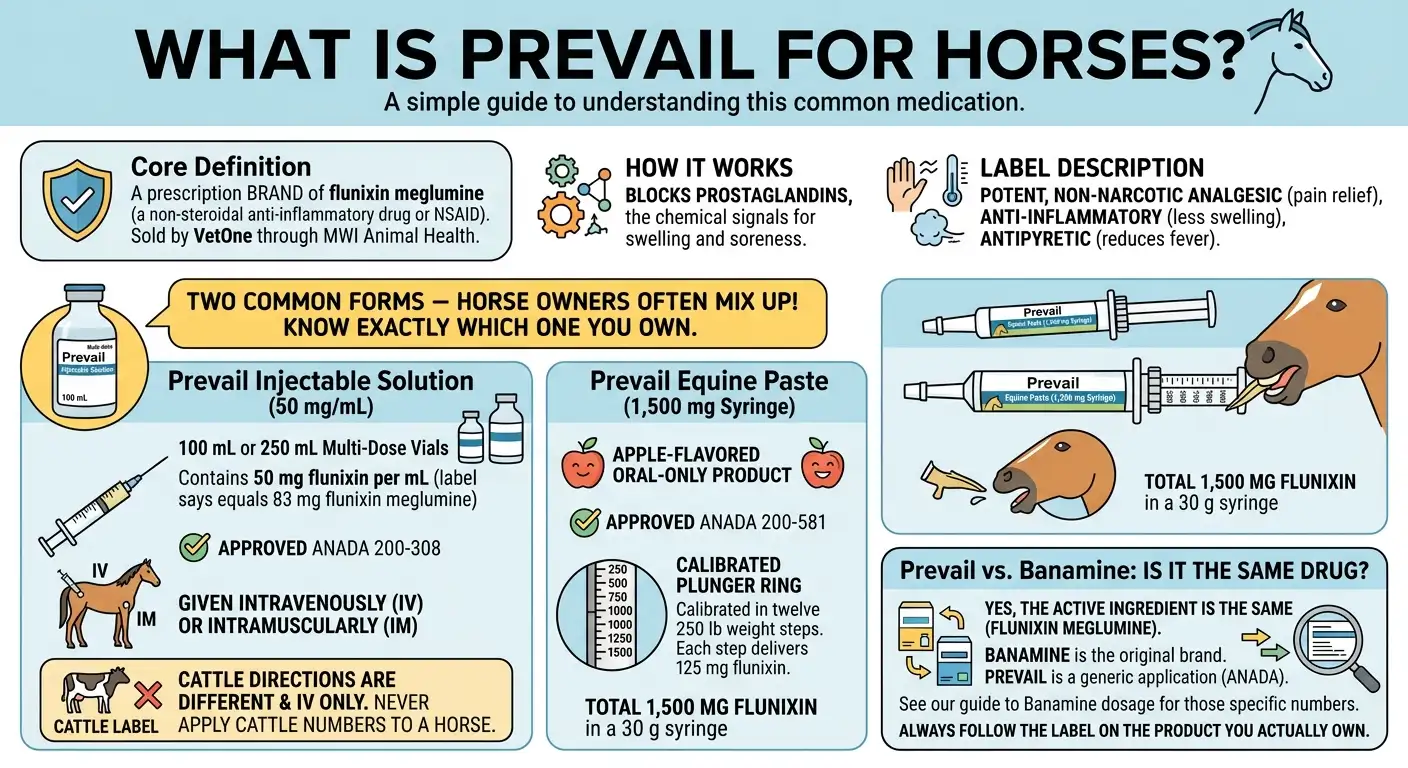
Prevail is a prescription brand of flunixin meglumine, a non-steroidal anti-inflammatory drug (NSAID) sold by VetOne through MWI Animal Health. It relieves pain, inflammation and fever by blocking prostaglandins, the chemical signals that drive swelling and soreness. The label describes it as a potent, non-narcotic analgesic with anti-inflammatory and antipyretic activity.
It comes in two forms that horse owners often mix up, so it helps to know exactly which one is in your hand.
Prevail Injectable Solution (50 mg/mL)
The injectable contains 50 mg of flunixin per mL (the label notes this equals 83 mg of flunixin meglumine). It is sold in 100 mL and 250 mL multiple-dose vials and approved under ANADA 200-308. For horses it is given intravenously (IV) or intramuscularly (IM).
The same vial label also carries cattle directions, which are different and IV only, so never apply cattle numbers to a horse.
Prevail Equine Paste (1,500 mg Syringe)
The paste is an apple-flavored, oral-only product approved under ANADA 200-581. Each 30 g syringe holds flunixin meglumine equal to 1,500 mg of flunixin. The plunger ring is calibrated in twelve 250 lb weight steps, and each step delivers 125 mg of flunixin.
Prevail vs Banamine: Is It the Same Drug?
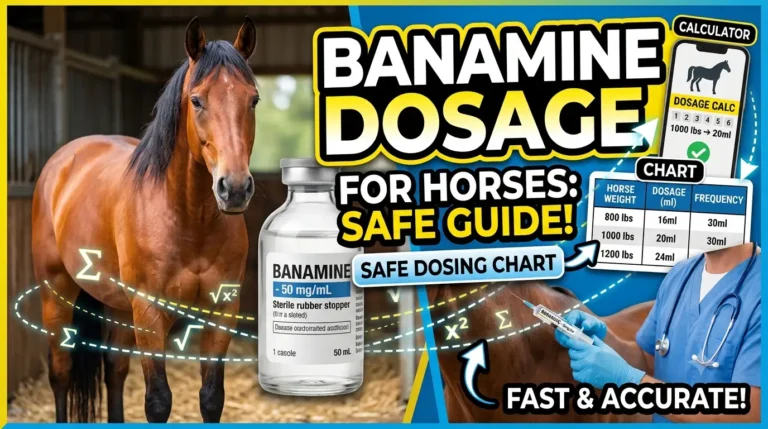
Yes, the active ingredient is the same. Banamine is the original brand, and Prevail is marketed under a generic application (ANADA). If you want the brand-side numbers, see our guide to Banamine dosage for horses. Always follow the label printed on the product you actually own.
| Feature | Prevail | Banamine |
|---|---|---|
| Active ingredient | Flunixin meglumine | Flunixin meglumine |
| Drug class | NSAID | NSAID |
| Injection strength | 50 mg/mL | 50 mg/mL |
| Marketing category | Generic (ANADA) | Brand-name product |
| Availability | Prescription only | Prescription only |
| Price | Generics are often cheaper, varies by pharmacy | Usually higher, varies by pharmacy |
Prevail Dosage for Horses: The Label Dose
The FDA-approved Prevail label sets one horse dose: 0.5 mg of flunixin per pound once daily, given IV or IM as the injection, or by mouth as the paste. Treatment may be repeated for up to five days. Every mL and every syringe mark is simply that rate applied to your horse’s weight.
Prevail Injection Dose for Horses
Because the injection is 50 mg/mL, the math is easy: 1 mL for every 100 lb. A 1,000 lb horse gets 10 mL, a 1,200 lb horse gets 12 mL, and a 700 lb pony gets 7 mL. The label allows IV or IM use once daily for up to five days.
Prevail Paste Dose for Horses
The paste delivers 125 mg of flunixin (2.5 g of paste) for each 250 lb of body weight. For a 1,000 lb horse that is 10 g, or 500 mg, once daily. One full syringe treats a 1,000 lb horse for three days. The label also allows an initial injection followed by paste on days 2 to 5.
Prevail Dose for Colic
For colic pain, the injection label uses the same 0.5 mg per lb dose, and IV administration is recommended for prompt relief. In clinical studies, pain eased in under 15 minutes in many cases. About 10% of horses needed one or two additional treatments when signs returned.
The label adds an important line: the cause of the colic should be found and treated. Pain relief can hide the signs a vet uses to judge how serious a colic really is. Call your veterinarian before dosing a colicking horse unless they have already told you what to give.
How Long Can a Horse Stay on Prevail?
Five consecutive days is the ceiling on the label. The paste label states flatly that treatment should not exceed five consecutive days, and the injection label says treatment may be repeated for up to five days. If your horse still needs pain control after that, the next step is a vet re-check, not more Prevail.
Prevail Dosage Calculator for Horses
Enter your horse’s weight, pick the product and the calculator applies the label rate of 0.5 mg per lb. Use a scale or a weigh tape for the weight, and treat the result as a double check on your vet’s instructions.
Prevail Dosage Calculator for Horses
Enter your horse’s weight, pick the product, and press Calculate Dose.
Give once daily by intravenous or intramuscular injection for musculoskeletal disorders. Treatment may be repeated for up to 5 days. For colic, intravenous administration is recommended, and treatment may be repeated when signs of colic recur.
Give once daily. The syringe delivers 125 mg of flunixin for each 250 lbs, and it is set to the next 250 lb mark at or above the horse’s weight. One syringe will treat a 1000 lb horse once daily for 3 days, or three 1000 lb horses one time.
This calculator is a guide only. Always follow the product label and consult your veterinarian before treating your horse.
Prevail Dosage Chart by Horse Weight
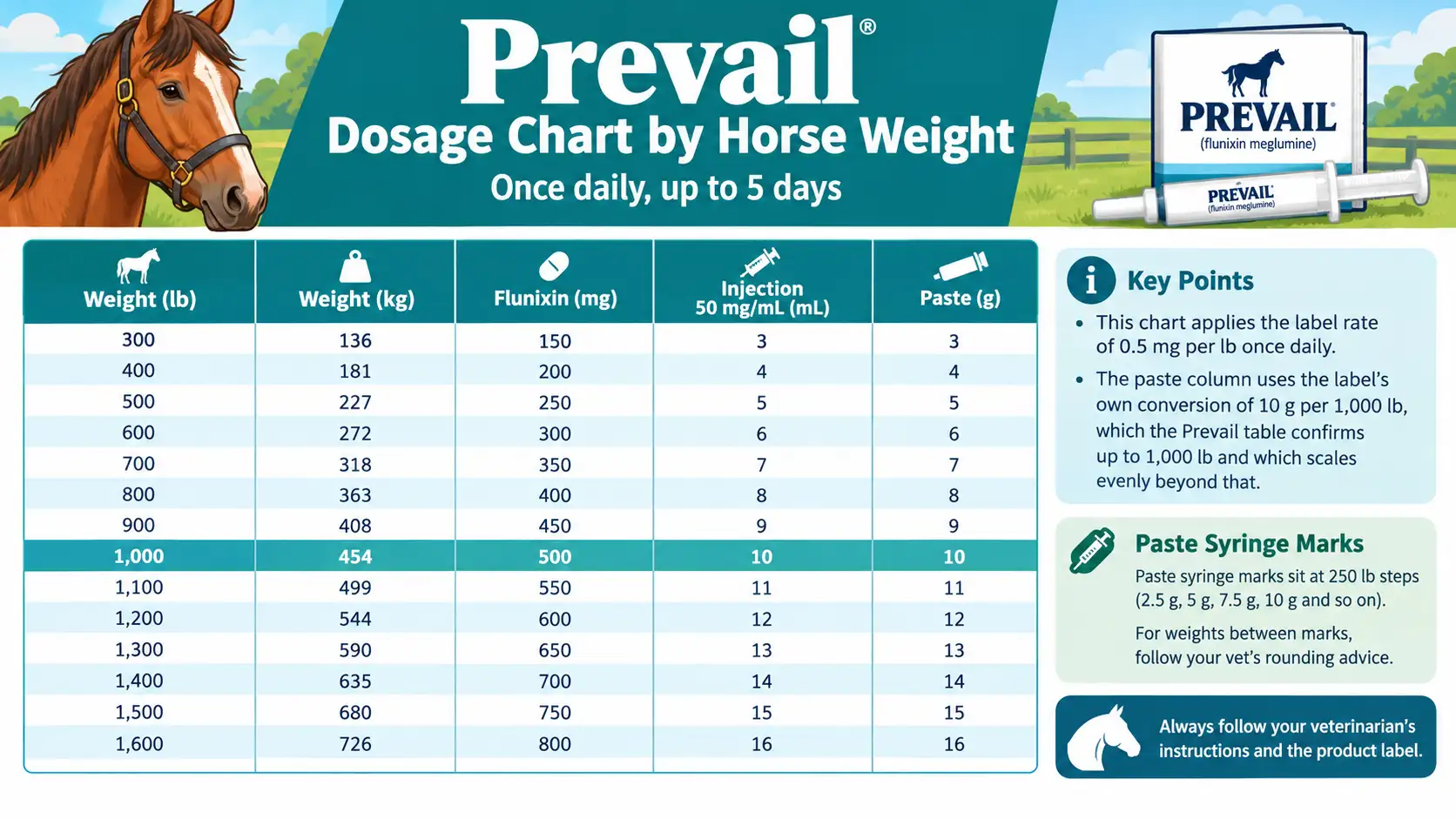
This chart applies the label rate of 0.5 mg per lb once daily. The paste column uses the label’s own conversion of 10 g per 1,000 lb, which the Prevail table confirms up to 1,000 lb and which scales evenly beyond that.
| Weight (lb) | Weight (kg) | Flunixin (mg) | Injection 50 mg/mL (mL) | Paste (g) |
|---|---|---|---|---|
| 300 | 136 | 150 | 3 | 3 |
| 400 | 181 | 200 | 4 | 4 |
| 500 | 227 | 250 | 5 | 5 |
| 600 | 272 | 300 | 6 | 6 |
| 700 | 318 | 350 | 7 | 7 |
| 800 | 363 | 400 | 8 | 8 |
| 900 | 408 | 450 | 9 | 9 |
| 1,000 | 454 | 500 | 10 | 10 |
| 1,100 | 499 | 550 | 11 | 11 |
| 1,200 | 544 | 600 | 12 | 12 |
| 1,300 | 590 | 650 | 13 | 13 |
| 1,400 | 635 | 700 | 14 | 14 |
| 1,500 | 680 | 750 | 15 | 15 |
| 1,600 | 726 | 800 | 16 | 16 |
How to Calculate the Prevail Dose Step by Step
You can work out any dose without a chart. The method takes under a minute and works for ponies, minis and draft horses alike.
- Get the horse’s real weight in pounds. Divide kilograms by 0.4536 if you only know kg.
- Multiply the weight by 0.5 to get milligrams of flunixin.
- For the injection, divide milligrams by 50 to get mL. For the paste, divide milligrams by 50 to get grams.
- Check the answer against the chart above. If the numbers do not match, stop and call your vet.
Example 1: A 1,150 lb gelding needs 1,150 x 0.5 = 575 mg. That is 11.5 mL of injection or 11.5 g of paste.
Example 2: A 500 kg warmblood weighs about 1,102 lb. The dose is 1.1 mg/kg x 500 kg = 550 mg, which is 11 mL of injection.
How Fast Does Prevail Work, and How Long Does It Last?
Per the label, onset of activity is within 2 hours, the peak response lands between 12 and 16 hours, and the effect lasts 24 to 36 hours. That long tail is why the dose is once daily, not twice. IV dosing for colic can ease pain much faster, in under 15 minutes in many horses.
You may see retailer pages claiming flunixin lasts only about 12 hours. The FDA-approved Prevail labeling says 24 to 36 hours, so that is the figure used here.
How to Give Prevail to a Horse Safely
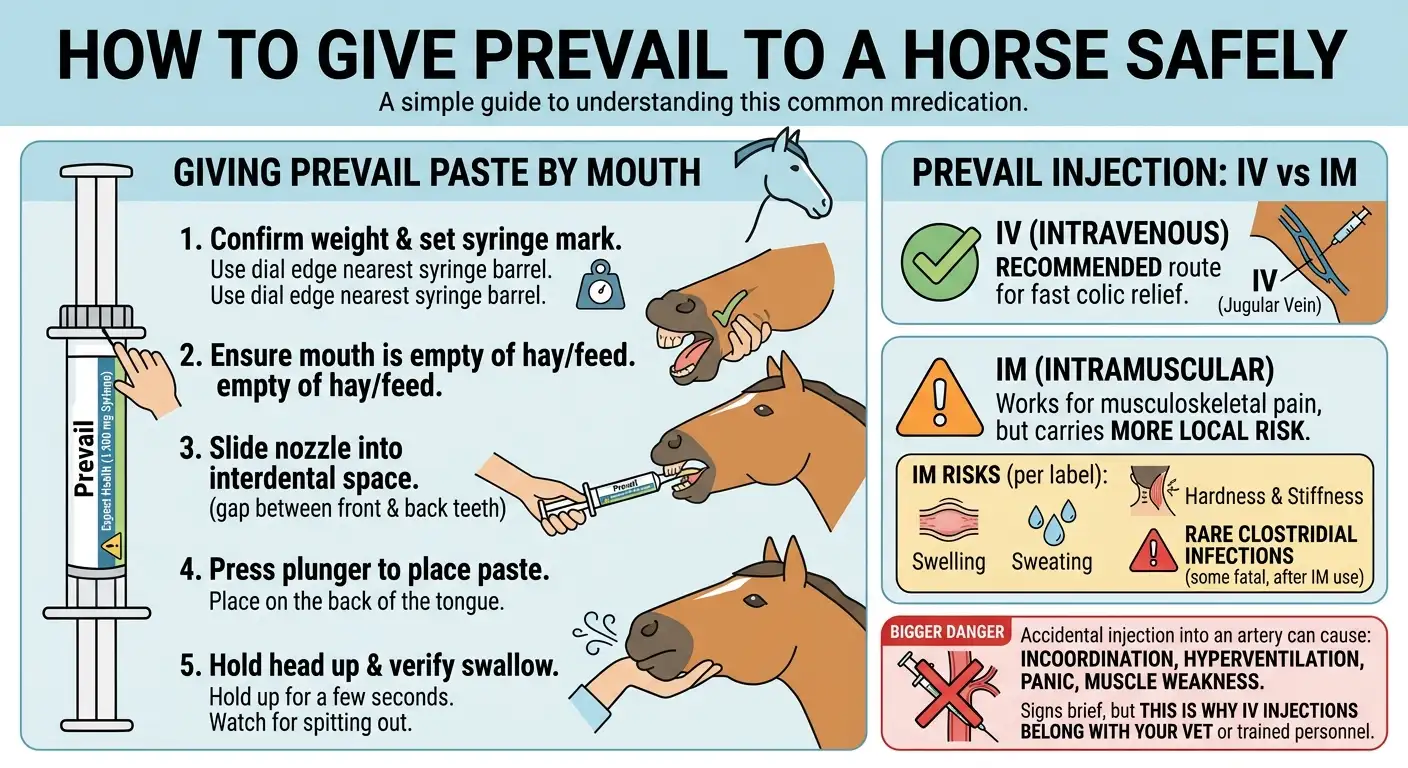
Giving Prevail Paste by Mouth
- Confirm the weight and the syringe mark. Use the dial edge nearest the syringe barrel to set the dose.
- Make sure the horse’s mouth is empty of hay or feed.
- Slide the nozzle in through the gap between the front and back teeth (the interdental space).
- Press the plunger to place the paste on the back of the tongue.
- Hold the head up for a few seconds so the horse swallows, then watch that none is spat out.
Prevail Injection: IV vs IM
IV is the route recommended for fast colic relief. IM works for musculoskeletal pain but carries more local risk. The label lists swelling, sweating, hardness and stiffness at IM sites, particularly in the neck, and rare clostridial infections, some fatal, after IM use.
The bigger danger is an accidental injection into an artery. That can cause incoordination, hyperventilation, panic and muscle weakness. Signs are usually brief, but this is why IV injections belong with your vet or with someone your vet has trained.
What Does Prevail Treat in Horses?
The label lists two uses for horses. The first is pain and inflammation from musculoskeletal disorders such as lameness, soft tissue injury and arthritis flare-ups. The second is visceral pain from colic, which applies to the injection.
Vets sometimes choose flunixin for fever or post-surgical pain as well. Those are professional decisions outside the printed label, so they should come with your vet’s own dose and duration, not a number from a website.
Prevail Safety Margin: What the Label Studies Show
The manufacturer tested doses well above the recommended rate in healthy horses. At those levels blood and urine values did not change. That is reassuring, but it describes healthy research animals on controlled protocols, not a dehydrated horse in pain after a long haul.
Prevail Side Effects and Warning Signs
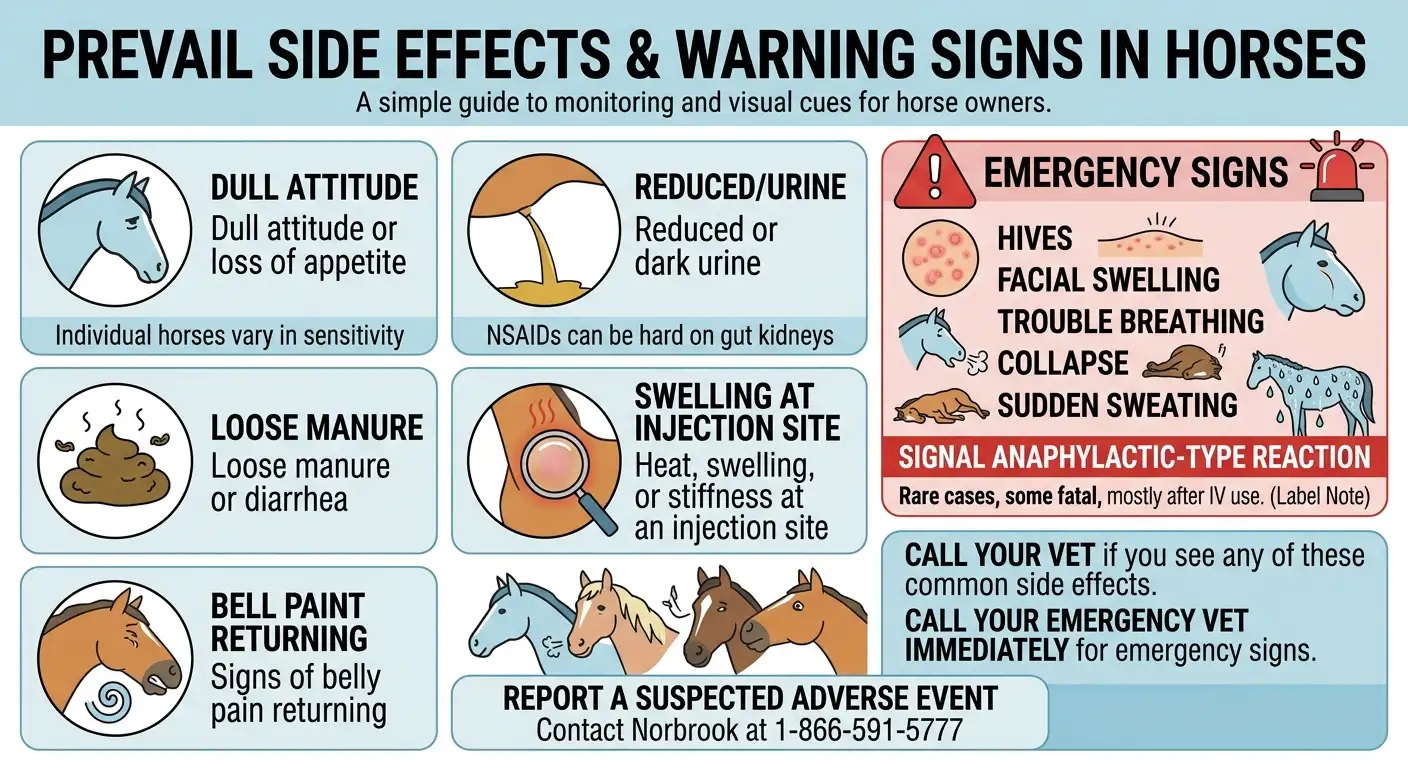
As a class, NSAIDs can be hard on the gut and kidneys, and individual horses vary in sensitivity. Watch your horse closely during every course. Call your vet if you see any of these:
- Dull attitude or loss of appetite
- Loose manure or diarrhea
- Signs of belly pain returning
- Reduced or dark urine
- Heat, swelling or stiffness at an injection site
To report a suspected adverse event, contact Norbrook at 1-866-591-5777 or the FDA at 1-888-FDA-VETS. You can also file online through the FDA animal adverse event reporting page.
When Prevail May Not Be Right for Your Horse
Raise these with your vet before the first dose:
- Known hypersensitivity to flunixin meglumine. Do not use it.
- Dehydration or reduced kidney function. The label names dehydrated horses and those with renal, heart or liver disease as being at greatest risk for kidney toxicity.
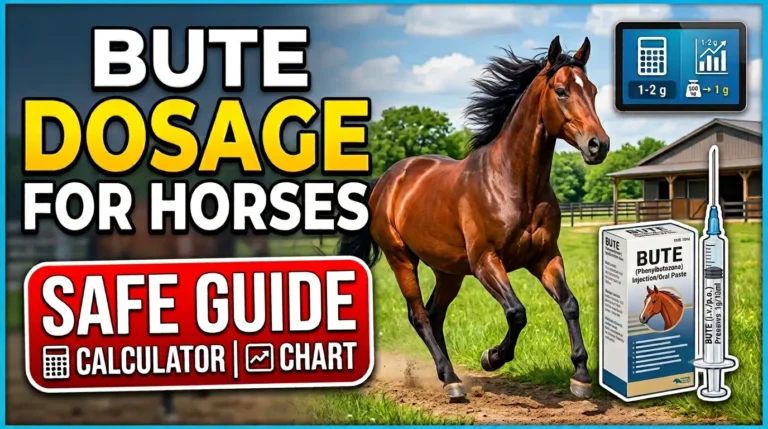
- Stacking anti-inflammatories. Avoid combining Prevail with other NSAIDs or corticosteroids unless your vet is monitoring closely. That includes bute dosage for horses, Equioxx dosage for horses and dexamethasone dosage for horses.
- Ulcer risk. NSAIDs can cause gastric ulcers. Ask whether your horse needs gut protection, and see our guide to omeprazole dosage for horses for background.
- Pregnant mares. The label states the effect on pregnancy has not been determined.
- Foals. The labels reviewed here give no foal dose, so a vet must set it.
Other drugs that stress the kidneys, such as aminoglycoside antibiotics like gentamicin, are another reason to tell your vet everything your horse is on. Our gentamicin for horses dosage chart explains why that class needs care.
Prevail vs Bute vs Equioxx: Which NSAID Fits?
The Prevail label says flunixin is four times as potent as phenylbutazone on a mg-per-mg basis for reducing lameness and swelling. Potency is not the same as safety or suitability, though. Your vet picks the drug based on the type of pain, how long it will last and your horse’s health.
| Drug | Active ingredient | Common role | Route |
|---|---|---|---|
| Prevail (Banamine type) | Flunixin meglumine | Colic pain and musculoskeletal pain, short courses | IV, IM, oral paste |
| Bute | Phenylbutazone | Lameness and musculoskeletal inflammation | Oral or IV |
| Equioxx | Firocoxib | Osteoarthritis pain, often longer term | Oral |
Prevail, Competition Rules and Food Animals
Prevail is not for horses intended for human consumption. Both labels say so plainly. If your horse could ever enter the food chain, talk to your vet before any NSAID course.
For competition, flunixin is a regulated medication under bodies such as USEF and FEI, and rules and thresholds differ and change. Do not rely on a blog for withdrawal times. Check the current rulebook for your discipline and ask your vet to confirm a timeline in writing.
Storing Prevail Correctly
- Injection: store between 2 and 30 degrees C (36 to 86 degrees F) and use within 60 days of first puncture.
- Needle size: if you use a draw-off spike or a needle larger than 16 gauge, discard leftover product right after use.
- Paste: store at 20 to 25 degrees C (69 to 77 degrees F), with brief excursions allowed between 15 and 30 degrees C.
- Safety: keep it out of reach of children and write the opening date on every vial.
Common Prevail Dosing Mistakes
- Guessing the weight. A mis-estimated horse means every mL is off. Use a scale or a weigh tape.
- Using the cattle line on the vial. The same label lists 1 to 2 mL per 100 lb for cattle. Horses get 1 mL per 100 lb.
- Doubling up after a missed dose. Do not give two days of drug at once. Ask your vet what to do.
- Combining with bute or steroids on your own. That raises ulcer and kidney risk.
- Running it past five days. If pain persists, the horse needs an exam.
- Dosing colic and waiting. Relief can mask a surgical colic. Always call.
What Does Prevail Cost?
Prices change by pharmacy and state, and a prescription is required. As one example, a major veterinary supplier listed the 30 g paste at $27.95. Because one syringe covers a 1,000 lb horse for three days, that works out to about $9.32 per day of treatment. Compare a few licensed pharmacies, but never buy without a valid prescription.
Key Takeaways
- The label dose is 0.5 mg flunixin per lb (1.1 mg/kg) once daily.
- Injection: 1 mL per 100 lb. Paste: 2.5 g per 250 lb. A 1,000 lb horse gets 10 mL or 10 g.
- Do not exceed five consecutive days.
- Onset is within 2 hours, with a peak at 12 to 16 hours and effect lasting 24 to 36 hours.
- Avoid other NSAIDs and steroids unless your vet is monitoring. Dehydration raises kidney risk.
- Prevail needs a veterinary prescription and is not for horses intended for food.
FAQs
What is the Prevail dosage for horses?
The label dose is 0.5 mg of flunixin per pound (1.1 mg/kg) once daily. That equals 1 mL of the 50 mg/mL injection per 100 lb, or 2.5 g of paste per 250 lb. Treatment should not exceed five consecutive days.
How much Prevail injection should I give a 1,000 lb horse?
A 1,000 lb horse receives 10 mL of Prevail 50 mg/mL injection, which is 500 mg of flunixin, once daily by IV or IM injection as directed by your veterinarian.
How much Prevail paste should I give a 1,000 lb horse?
Set the syringe to the 1000 mark to deliver 10 g of paste, equal to 500 mg of flunixin. One 30 g syringe contains 1,500 mg of flunixin and covers a 1,000 lb horse for three days.
How long can a horse stay on Prevail?
The label limits treatment to five consecutive days. The paste label states that flunixin meglumine treatment should not exceed five consecutive days. If pain continues, your horse needs a veterinary re-check.
How fast does Prevail work in horses?
The label states that onset of activity occurs within 2 hours, with peak response at 12 to 16 hours and a duration of 24 to 36 hours. IV dosing for colic relieved pain in under 15 minutes in many horses in clinical studies.
Is Prevail the same as Banamine?
Both contain the active ingredient flunixin meglumine. Prevail is marketed under a generic application, while Banamine is the original brand. Always follow the dosing directions printed on the product you are using.
Can I give Prevail injection by mouth?
The injection label lists IV and IM use for horses, and oral use is covered by the separate Prevail paste. Giving the injectable by mouth is extra-label, so only do it if your veterinarian instructs you to and sets the dose.
Can I give Prevail with bute or other NSAIDs?
No, not without veterinary supervision. The label says to avoid using Prevail together with other NSAIDs or corticosteroids, or to monitor closely, because stacking them raises the risk of stomach ulcers and kidney problems.
What are the side effects of Prevail in horses?
Possible effects include gastrointestinal and kidney problems, local swelling or stiffness after IM injection, and rare infections or anaphylactic-type reactions. Call your vet if your horse stops eating, develops diarrhea, produces dark or little urine, or shows colic signs.
Is Prevail safe for pregnant mares?
The label states that the effect of flunixin meglumine on pregnancy has not been determined. Use in a pregnant mare only if your veterinarian decides the benefit outweighs the unknowns.
Do I need a prescription for Prevail?
Yes. Federal law restricts Prevail to use by or on the order of a licensed veterinarian, and both the injection and paste are sold as prescription animal drugs.
Can Prevail be used in horses intended for food?
No. The Prevail labels state that it is not for use in horses intended for food or human consumption. Talk to your veterinarian if there is any chance your horse could enter the food chain.
What should I do if I gave my horse too much Prevail?
Call your veterinarian or an emergency clinic right away and keep the product label handy. Label safety studies in healthy horses tolerated higher doses, but a sick or dehydrated horse can react very differently, so do not wait for symptoms.
Can I compete after giving Prevail?
Flunixin is a regulated medication in organizations such as USEF and FEI, and rules and thresholds differ and change. Check your current rulebook and ask your veterinarian for a written withdrawal plan before competing.
How should I store Prevail?
Store the injection between 2 and 30 degrees C (36 to 86 degrees F) and use it within 60 days of first puncture. Store the paste at 20 to 25 degrees C (69 to 77 degrees F). Keep both out of reach of children.
Final Thoughts and Next Steps
Prevail is a dependable tool when it is used the way the label describes: correct weight, correct dose, short course. The math is simple. The judgment around it, such as when pain needs an exam and not another dose, is where your veterinarian earns their place.
Your next steps: weigh your horse, run the numbers in the calculator, then confirm them with your vet before the first dose. Keep the vial label and your vet’s instructions together in the tack room.
This article is educational and does not replace veterinary advice. Dosing figures were taken from the FDA-approved Prevail labeling on DailyMed and the Drugs.com Prevail Equine Paste listing. Always follow the label on your own product and your vet’s directions.