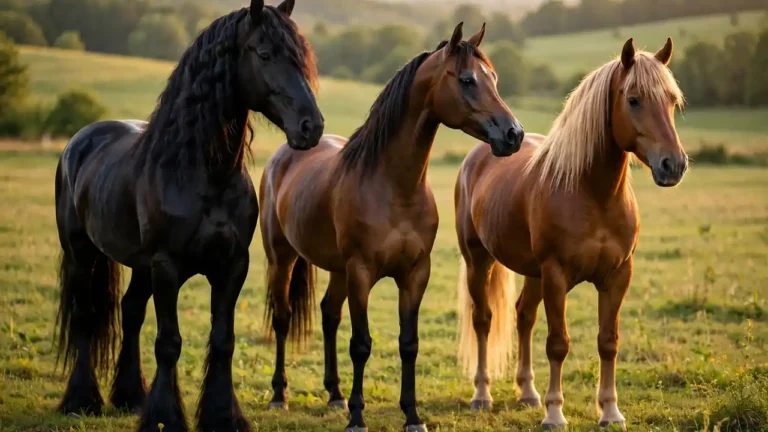
A first horse can change your weekends for years, in a good way or a hard way. The breed you pick shapes how much help you need, how much time the horse needs, and how safe you feel in the saddle. If you plan to choose the best horse breed for beginners, start with your own life, not with a photo of a pretty horse.
Many new riders fall for a tall, flashy horse that needs a skilled rider. That horse may spook at a plastic bag, pull hard on the trail, and test you every single ride. A calmer breed with a steady mind will teach you far more, and you will enjoy the ride instead of fearing it.
This guide walks you through eight clear steps, from your goals and budget to a vet check and a trial ride. You will learn the words sellers use, the height and build that fit you, and the questions that protect you before you pay. By the end, you will have a short list of breeds that fit your life, and a plan to meet real horses before you decide.
Time and Difficulty
Total time: 2 to 4 weeks of looking and visiting
Active time: about 2 hours a week for calls and visits
Difficulty: Beginner friendly, with help from a trainer or vet
What You Need
- A notebook or phone note for your goals, budget, and breed short list
- A tape measure and a note of your height and weight, for sizing
- A riding helmet and boots with a heel, for visits and trial rides
- A trusted trainer, riding instructor, or horse-savvy friend to come with you
- A local equine vet you can call for a pre-purchase check
- Contact details for two or three sellers, breeders, or rescue groups
At a Glance: The 8 Steps
- Write down your riding goals before you look at breeds
- Measure your time, budget, and space honestly
- Learn the temperament words sellers use
- Compare height, build, and energy side by side
- Visit horses in person and watch them move
- Ask the seller five clear questions
- Book a vet check before you pay
- Choose the best horse breed for beginners that fits your daily life
Write Down Your Riding Goals Before You Look at Breeds
Grab your notebook and write one line for what you want to do most. Trail rides on weekends, lessons in an arena, and quiet hacks with friends are all fine goals. Each goal points to a different kind of horse, so this line keeps you from chasing every breed at once.
Next, write your riding level in plain words. Say how many lessons you have had, and whether you can walk, trot, and canter with control. A horse that suits a rider with 20 lessons is not the same as one that suits a rider with 200 lessons.
Measure Your Time, Budget, and Space Honestly
Count the hours you can give a horse each week, and be honest about work, school, and travel. Most horses need care on 7 days a week, even when you do not ride.
Write down the monthly cost you can pay, and ask two local yards for their real prices. Livery, feed, farrier visits, and vet care add up fast, and a horse that costs $300 a month in one county can cost far more in another. Check your space too: safe fencing, shelter, clean water, and room to move.
Learn the Temperament Words Sellers Use
Sellers use short words for temperament, and those words carry real meaning. Calm and steady mean the horse stays level when things change around it.
Forward means the horse likes to move on with light aids. Hot means the horse reacts fast and needs a calm, skilled rider. Ask what each word means for that exact horse, and ask for an example.
Pro Tip: Write the seller’s exact words in your notebook, word for word. Later, compare them with what you saw on your visit. If the words and the horse do not match, trust what you saw.
Compare Height, Build, and Energy Side by Side
Make a short table in your notebook with three columns: breed, height, and energy. Start with breeds known for steady minds, such as Quarter Horses, Morgans, Haflingers, and Icelandic horses.
Height is measured in hands, and one hand is 4 inches. Many beginner-friendly breeds stand about 14 to 15 hands, while a Thoroughbred often stands about 15 to 17 hands and carries more energy.
Visit Horses in Person and Watch Them Move
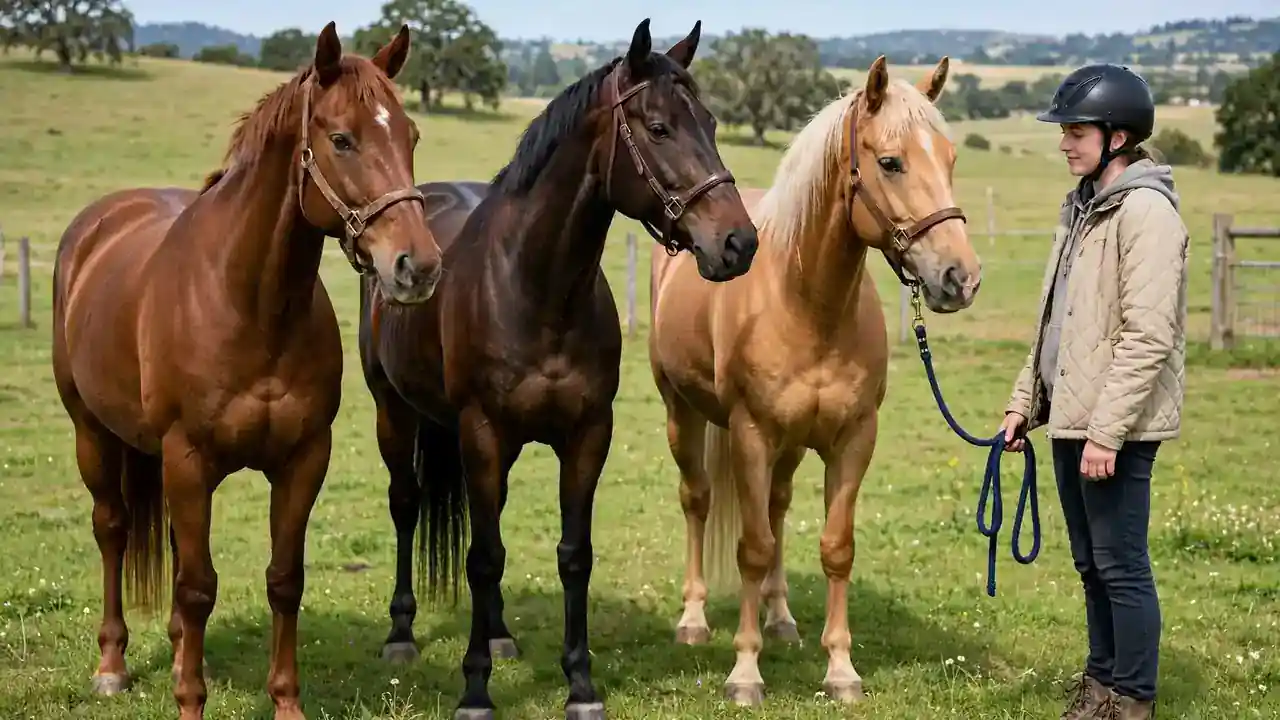
Go and see the horse in its own yard, on a normal day, not only in a polished sales video. Watch it walk, trot, and canter, and watch how it acts when a gate creaks or a dog barks nearby.
Ask to groom the horse and pick up its feet, with the seller close by. Watch the ears. Take 30 minutes for this part, and do not rush it.

Ask the Seller Five Clear Questions
Ask these five questions, and write the answers down before you leave the yard. The answers protect you, and they show a good seller that you are a serious buyer.
- Why is this horse for sale, and how long have you owned it?
- What has the horse done in the last 6 months, and with what kind of rider?
- Has the horse had any injury, illness, or vet treatment?
- What does the horse do that a new rider should know about?
- Can I ride the horse twice, on two different days, before I decide?
A good seller answers with detail and offers records, such as vet notes and farrier notes. A seller who rushes you, hides records, or says no to a second ride is giving you a clear warning. Walk away from that horse, even if you liked it.
Book a Vet Check Before You Pay
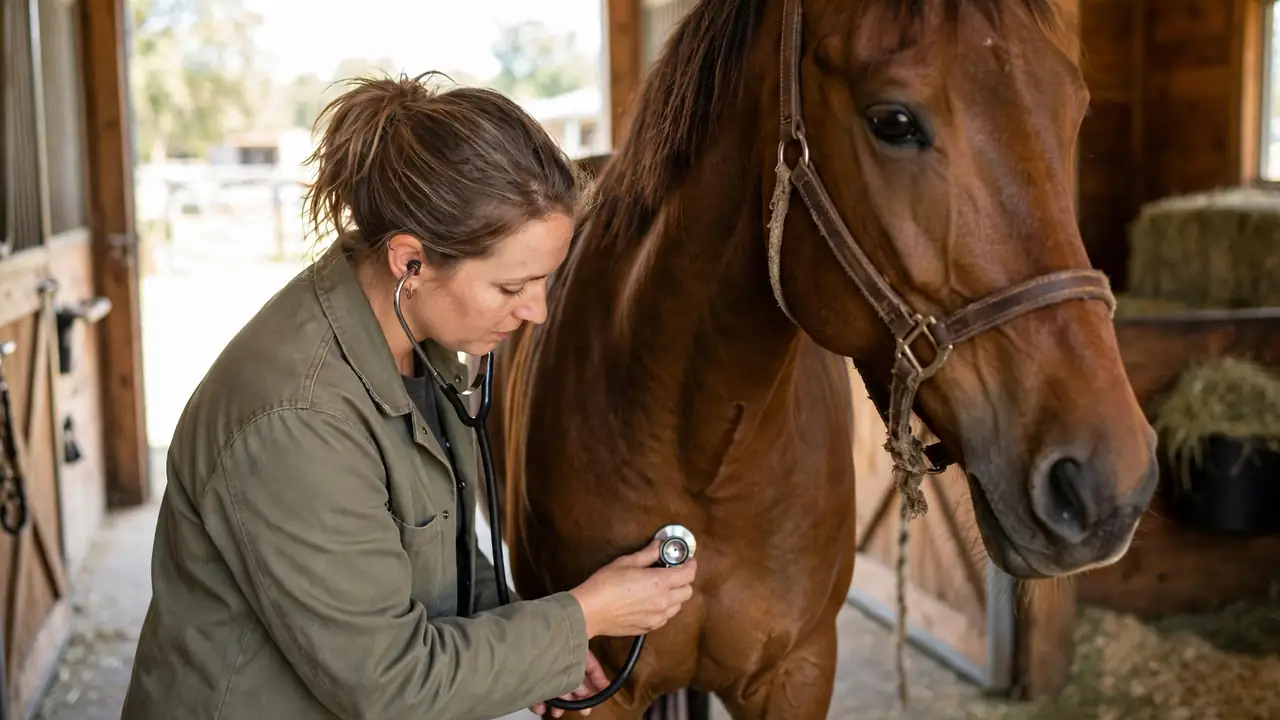
Call your own vet, not the seller’s vet, and book a pre-purchase check. The vet will look at the horse’s eyes, teeth, heart, lungs, legs, and movement, and will tell you what they find in plain words.
Ask the vet to explain any finding in terms of your riding goals. A small issue may be fine for quiet trail rides, and a poor fit for jumping. If the vet finds a serious problem, thank them, and walk away.
Heads Up: Never skip the vet check to save money, and never pay in full before the check is done. A seller who will not allow a vet check is not a seller you should buy from.
Choose the Best Horse Breed for Beginners That Fits Your Daily Life
Look back at your notebook and circle the breed that fits your goals, your time, and your budget. A Quarter Horse or Morgan often suits a new rider who wants steady trail rides, while a Haflinger or Icelandic horse can suit a smaller rider who wants a calm, hardy partner.
If you can, lease the horse or ride it for 2 weeks before you buy. A trial shows you how the horse acts on a wet Monday, not only on a sunny sales day.

Troubleshooting: If This Happens, Try This
| If This Happens | Try This |
|---|---|
| You love a horse, but it is taller and hotter than your plan | Go back to your written goals. A horse outside your plan is a risk, not a bargain. |
| The seller will not let you ride twice | Walk away. A second ride on a different day is a fair ask. |
| The vet finds a small issue | Ask the vet what it means for your riding goals, and get the answer in writing. |
| Two breeds both look good | Meet real horses of each breed. Temperament in person beats breed lists on paper. |
| Costs look higher than your budget | Ask about a share, a lease, or a yard with lower livery before you stretch your budget. |
Frequently Asked Questions
What is the best horse breed for a complete beginner?
There is no single best breed for every beginner. Quarter Horses, Morgans, Haflingers, and Icelandic horses are often good places to start, because many of them have steady minds. Meet real horses, and pick the one whose temper fits your riding level.
How tall should a first horse be?
Many first horses stand about 14 to 15 hands, which suits a lot of adult beginners. Your height, weight, and leg length matter, so sit on the horse and check that you feel balanced and secure.
How much does it cost to keep a horse each month?
Costs vary a lot by area and by yard. Ask two local yards for their prices for livery, feed, farrier visits, and routine vet care, and add a small buffer for surprise costs.
Should I buy a young horse as a beginner?
A young, green horse is rarely a good first horse. An older, well-schooled horse that has done the job before will teach you more, and it will forgive more mistakes while you learn.
Is a vet check really needed before I buy?
Yes. A pre-purchase vet check is one of the best ways to protect your money and your safety. Ask your own vet to do the check, and ask them to explain the findings in plain words.
Quick Reference Card
You need: notebook, tape measure, helmet and boots, a trainer to come with you, a local equine vet, seller contacts.
Steps: 1. Write your goals. 2. Measure time, budget, and space. 3. Learn temperament words. 4. Compare height, build, and energy. 5. Visit in person. 6. Ask five questions. 7. Book a vet check. 8. Choose the breed that fits your daily life.
Remember: Calm mind first, pretty looks second. Vet check before you pay.
You now know how to choose the best horse breed for beginners, step by step. You have a short list that fits your goals, a vet check in place, and a trial ride to prove the match in real life.
Take your time with the last step. The right first horse will make your first year of riding calm, fun, and full of small wins. Save this guide on Pinterest so you can find it again when you visit your next horse.