
Condition Your Horse Throughout Downtime Without Losing Fitness
Your horse is on a break, and you can already see the change. The topline softens, the belly grows, and the horse that used to march out of the yard now drags his feet. This guide shows you how to Condition Your Horse throughout downtime, so the rest does not undo months of good work.
Downtime is not a problem by itself. A horse that rests for a few weeks keeps most of his fitness, as long as someone keeps him moving a little every day. The trouble starts when the horse stands in a stall all day, eats the same hard feed as before, and loses muscle while he gains weight.
The plan here is simple to follow and fits into a normal yard routine. You will check the horse, hand-walk him every day, add a little groundwork and stretching, turn him out, match his feed to the lighter work, and track his condition each week. The whole routine takes about 30 minutes a day, and the skill level is beginner.
When the break ends and you want to build muscle on a horse again, this routine gives you a horse that is ready for work, not one that needs weeks to recover. Start with the check below, and the rest of the plan follows from it.
What You Need
- Halter and lead rope
- Weigh tape
- Notebook and pen
- Phone camera
- Hay net
- Feed scoop and kitchen scales
- Salt lick
- Grooming kit
- Traffic cone or bucket
- Lunge line (optional)
At a Glance
- Check your horse and plan the rest
- Hand-walk your horse every day
- Add groundwork and stretching to the routine
- Turn your horse out for free movement
- Match the feed to the lighter work
- Track condition with a weigh tape and photos
- Bring work back in small steps
Before and After: What Changes
Before
- Horse stands in a stall all day
- Same hard feed as in full work
- Weight guessed by eye
- Work back at full pace on day one
After one week of the routine
- Horse walks 20 to 30 minutes every day
- Hard feed cut to match the lighter work
- Weight tracked with a tape and photos
- Work back in small steps
Check Your Horse and Plan the Rest
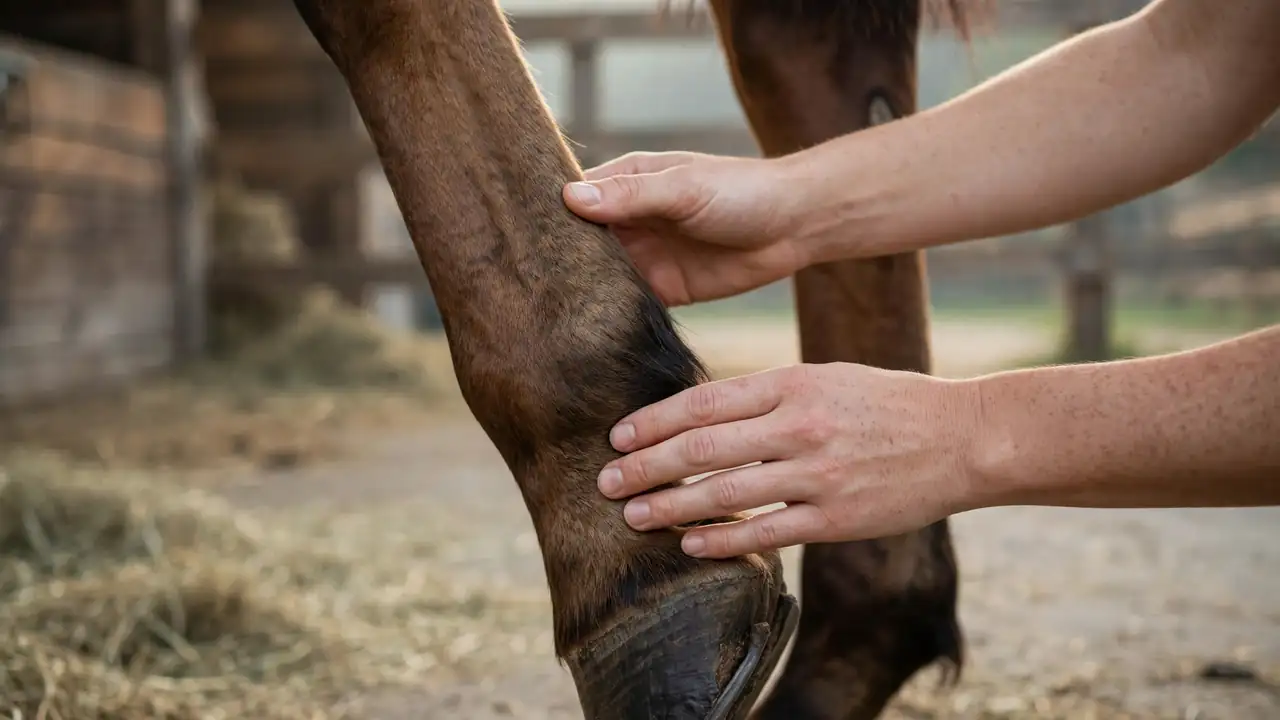
Before you plan the rest, make sure the rest suits this horse. A horse resting after an injury needs a vet to clear the plan, and a horse resting after a hard season needs a lighter one.
Run your hands over his neck, back, and legs, and look for heat, swelling, or sore spots. Write down his weight with a weigh tape, take a photo from the side, and note how much work he was doing before the break. A baseline shows what the downtime is costing him, and it tells you when he is ready to work again.
Hand-Walk Your Horse Every Day
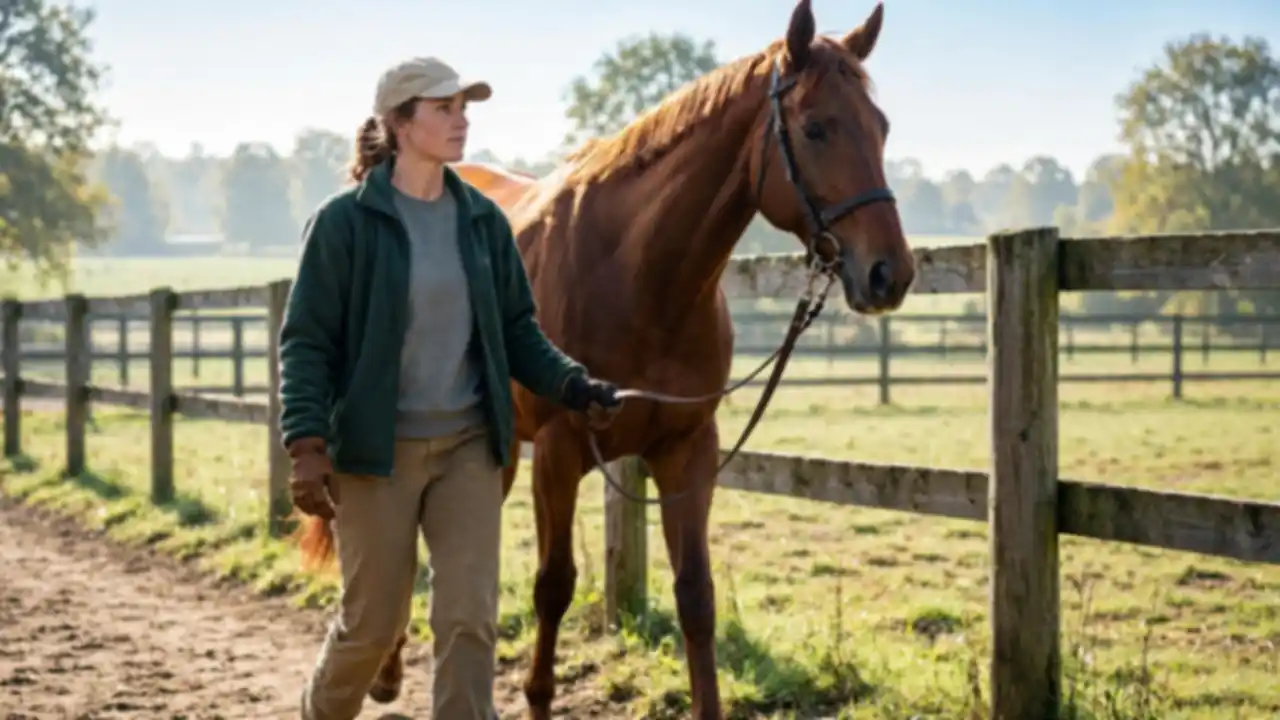
A horse that walks every day keeps his legs, back, and lungs working without a rider. Lead him out on a halter and lead rope, and walk for 20 to 30 minutes on firm, flat ground. Keep a brisk pace, and watch his breathing stay even.
Walk him in the morning, when the yard is quiet and the ground is dry. If he pulls or rushes, stop, ask for a back-up, and walk on again. The sign it is working is a loose rope and a horse that walks at your shoulder.
Add Groundwork and Stretching to the Routine
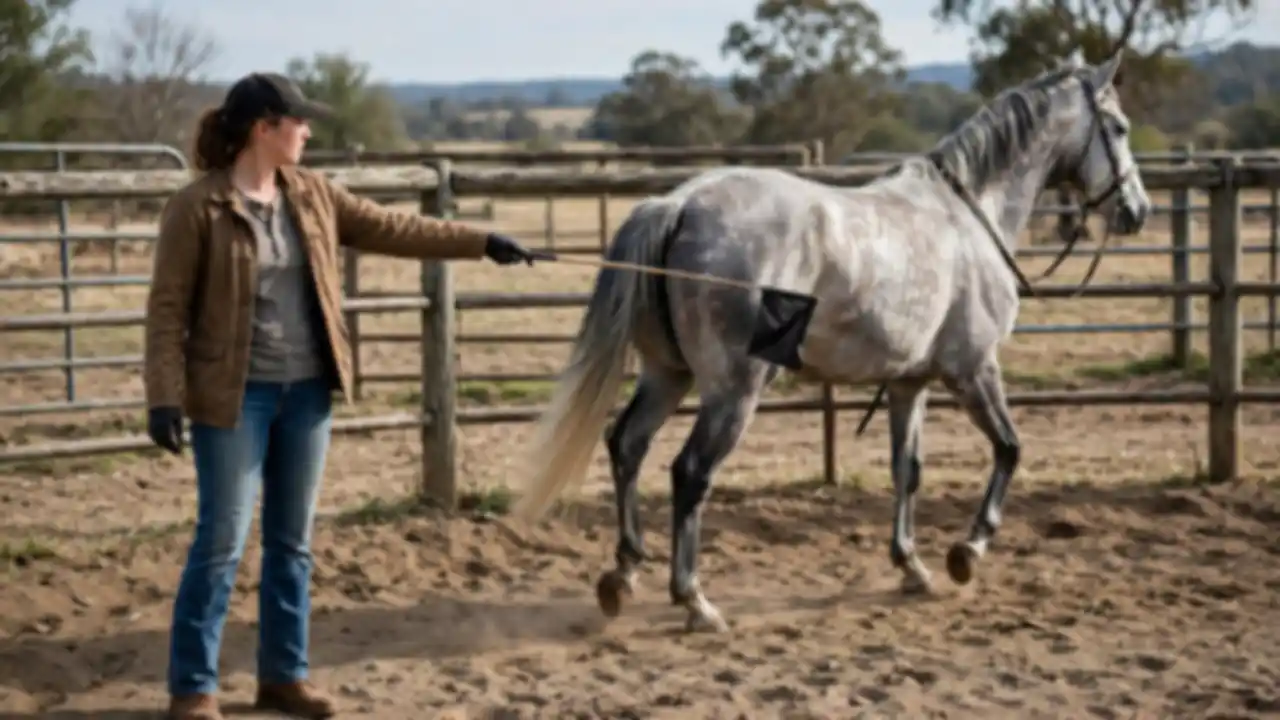
Groundwork keeps the horse’s mind and body working while his saddle stays in the tack room. Ask for a few moves from our guide to groundwork exercises for beginners, such as yielding the hindquarters and backing up, and keep the session to 10 minutes.
After the groundwork, stretch his neck with a carrot stretch, and lift each front leg forward for a few seconds. A horse that stretches every day keeps his muscles long, and the work takes less than 5 minutes.
Turn Your Horse Out for Free Movement
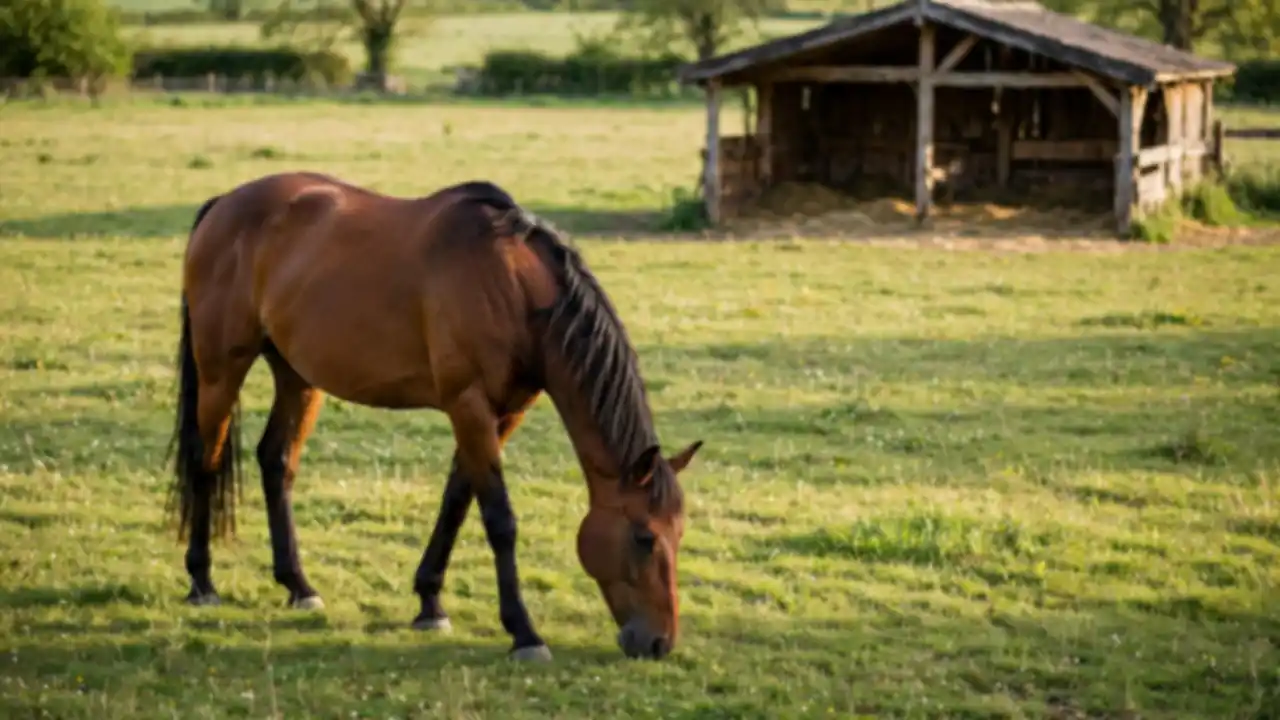
Turnout is the cheapest exercise a horse gets, and a field lets him walk, graze, and roll on his own terms. Turn him out for at least 4 hours a day, with a field mate if he has one.
Check the field first: no broken fence, no deep mud at the gate, and water that is clean. A horse that moves all day in a field comes in looser than a horse that stands in a stall.
Match the Feed to the Lighter Work
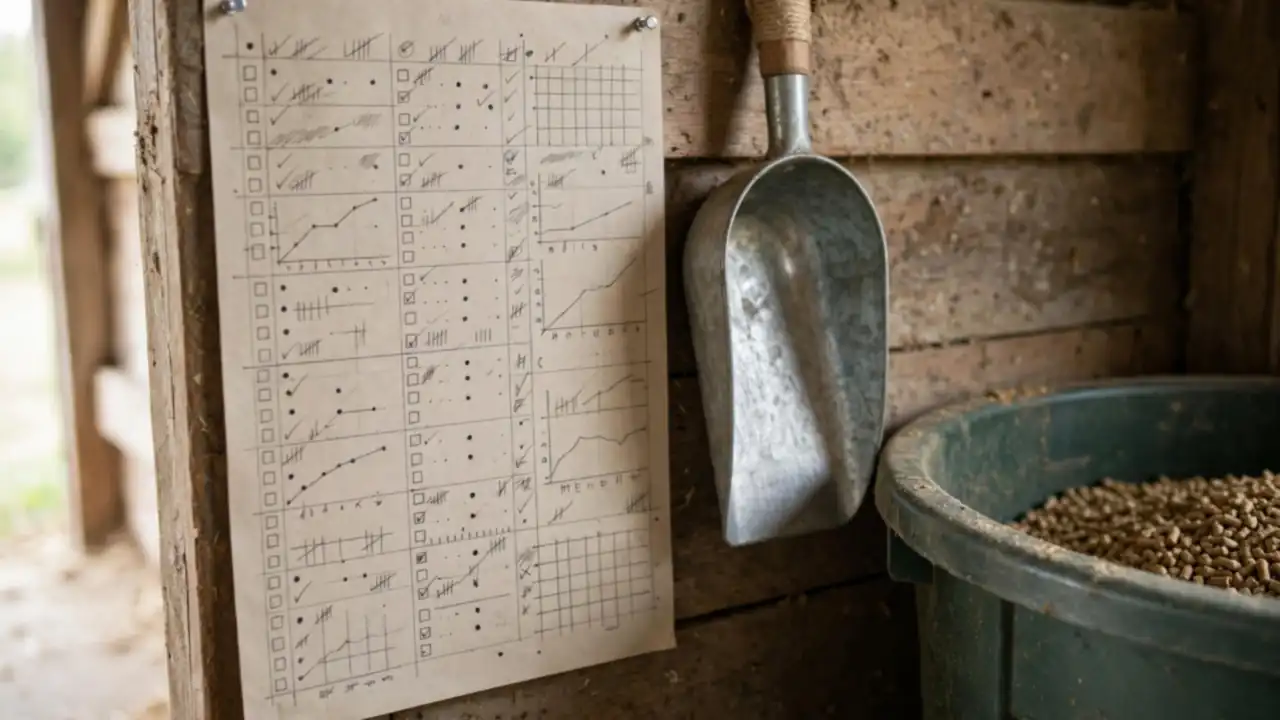
A horse in light work needs far less hard feed than a horse in full work, and the same ration will put weight on him fast. Cut the hard feed first, and keep the forage the same, because hay keeps his gut moving and his mind busy.
Weigh the hard feed with a scoop and kitchen scales, and write the new amount on the feed chart. Our guide shows how to feed your horse through the lighter weeks, and the forage-first routine in it still applies.
Track Condition with a Weigh Tape and Photos
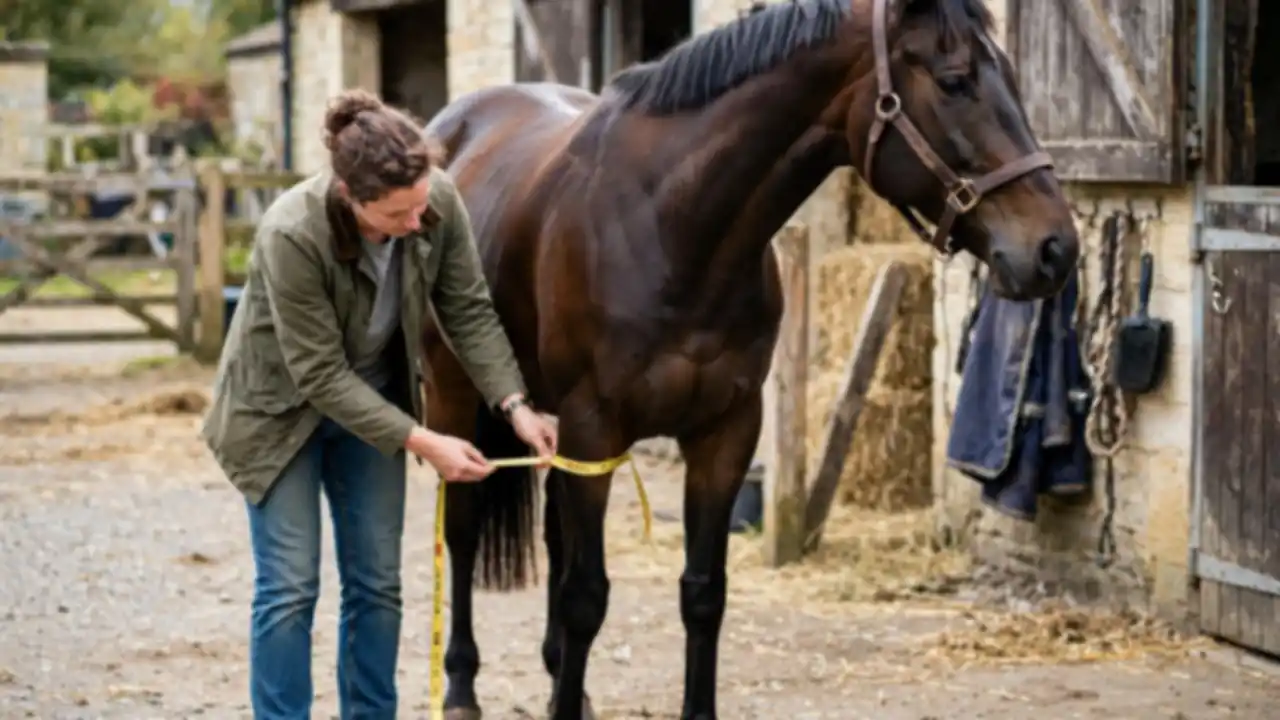
Eyes lie about weight, so measure it. Run a weigh tape around his girth once a week, at the same time of day, and write the number in a notebook.
Take a photo from the side each week, standing in the same place with the same light. Two photos two weeks apart show a change your eye would miss, and the tape shows it in kilograms.
Bring Work Back in Small Steps
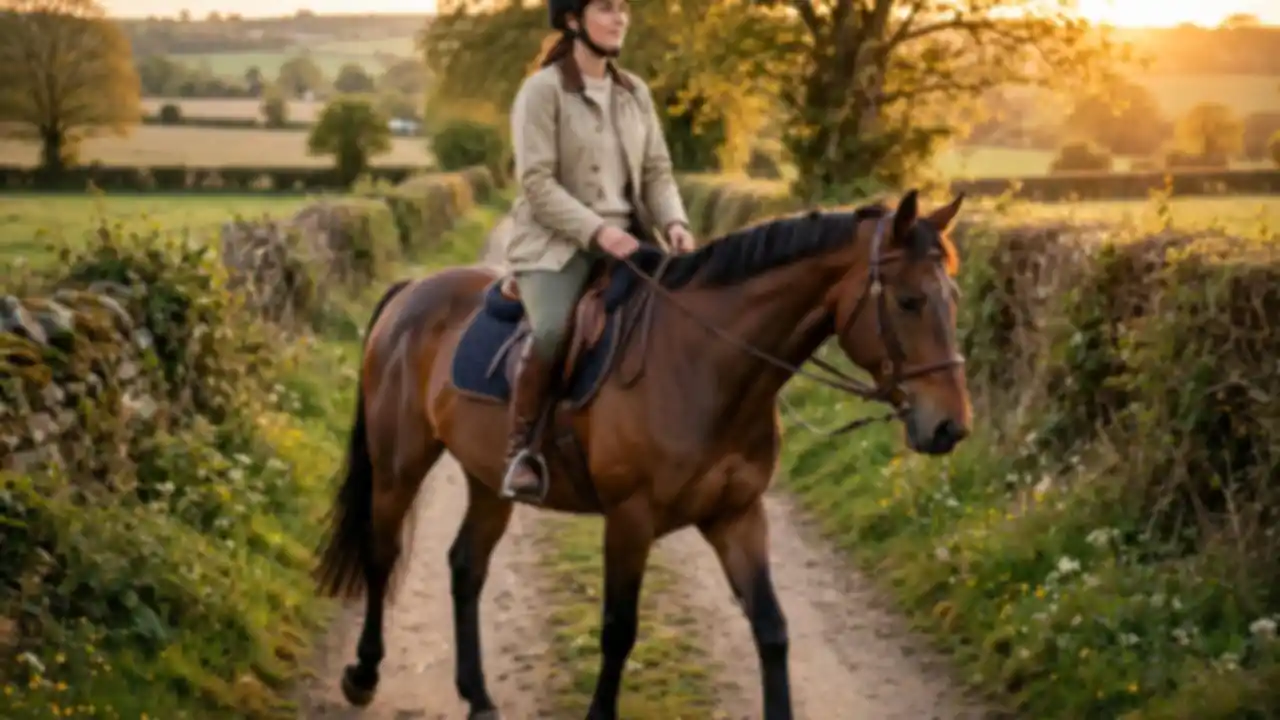
The return to work is where most downtime plans fail, because the horse feels fresh and the rider wants to pick up where they left off. Start with 10 minutes of walking under saddle, and add 5 minutes every two or three days.
Add trot work only when the horse walks out sound and loose for a full week, and keep the first rides short and calm. A horse that comes back slowly keeps the fitness you saved, and the break stays a break instead of turning into a new injury.
Common Mistakes to Avoid
- Feeding the same hard feed as before — A horse in light work needs far less hard feed. Cut the ration first, and keep the forage the same.
- Skipping the daily walk — A horse that stands in a stall all day stiffens up fast. A 20 minute hand-walk keeps his legs and lungs working.
- Bringing work back too fast — A fresh horse feels ready before he is ready. Add 5 minutes every two or three days, and let the horse tell you when to do more.
- Forgetting to track condition — Eyes miss slow weight gain. A weekly weigh tape and a side photo show the change.
Frequently Asked Questions
How long can a horse rest without losing fitness? — A few weeks of rest costs little fitness if the horse walks daily. After 4 to 6 weeks with no work at all, expect the return to take 2 to 4 weeks of steady building.
Can I ride my horse during downtime? — Light hacking on flat ground is fine if the vet cleared the horse for work. Downtime means no hard schooling, no jumping, and no long fast rides.
Should I change my horse’s feed during downtime? — Yes. Cut the hard feed to match the lighter work, and keep forage the same. A horse that eats the same ration while doing less work gains weight fast.
My horse is bored in the stall. What helps? — Turnout, a hay net, and a short groundwork session each day. A bored horse chews wood, weaves, or cribs, and movement is the fix.
When should I call the vet during downtime? — Call if the horse loses weight fast, goes off his feed, shows heat or swelling in a leg, or seems lame. Do not wait for the next weekly check.
Quick Reference Card
You need: halter and lead rope, weigh tape, notebook and pen, phone camera, hay net, feed scoop and kitchen scales, salt lick, grooming kit, traffic cone or bucket, lunge line (optional).
The routine (about 30 minutes a day):
- Check the horse and plan the rest with the vet
- Hand-walk for 20 to 30 minutes every day
- Add groundwork and stretching, 10 minutes
- Turn out for at least 4 hours a day
- Cut hard feed, keep forage the same
- Weigh tape and side photo once a week
- Bring work back in small steps, add 5 minutes every two or three days
You now know how to Condition Your Horse throughout downtime, one short session at a time.
Your horse walks every day, eats for the work he does, and keeps the muscle he had.
Keep the weigh tape and the photos going, and bring the work back slowly.
Good care through a break is part of the job, and our guide to the 20 qualities of a good horse owner covers the rest of the daily routine.
Save this guide on Pinterest so it is waiting for you the next time your horse needs a break.