
15 Most Beautiful Horse Breeds in the World for Your Shortlist
Most people pick a horse breed from a photo, then learn too late that the horse in the photo needs more work, more space, or more experience than they have. A calm looking horse in a field can still be sharp under saddle, and a big draft horse can be gentle on the ground and hard to keep fit in a small yard.
That gap between how a breed looks and how it lives day to day is where good choices get made. The list below keeps both sides in view. You get the look that first caught your eye, plus the work, the movement, and the temperament that come with it, so you can shortlist breeds that fit your riding, your yard, and your time.
Use it to compare beautiful horse breeds side by side, save the ones that fit, and rule out the ones that do not, before you visit a breeder or a sale yard.
1. Friesian: A Black Horse Known For Its Long Mane And High Stepping Trot
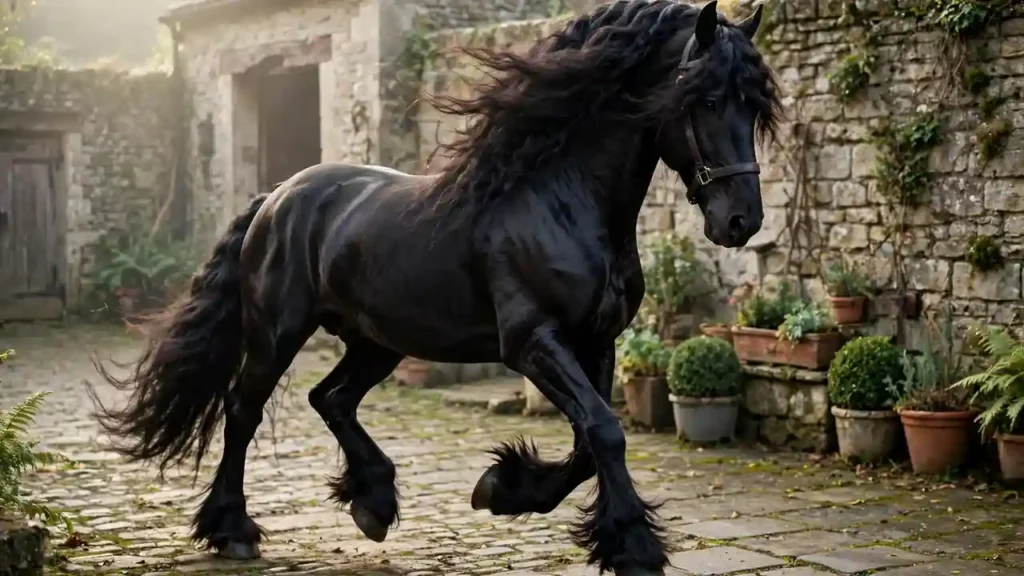
A Friesian walks into a yard and the first thing most people notice is the mane. It falls long and thick, and it moves with the horse, not against it. The black coat, the feathered legs, and the high step give the breed a formal look, even at a walk.
- Check the mane for thickness and length
- Watch the trot for lift in the front legs
- Stand back and look at the neck and shoulder line
That look needs regular grooming, and the feathered legs need dry bedding and clean checks, so plan time for coat care before you fall for the photo.
2. Arabian: A Small Head, High Tail Carriage, And Stamina Built For Long Rides
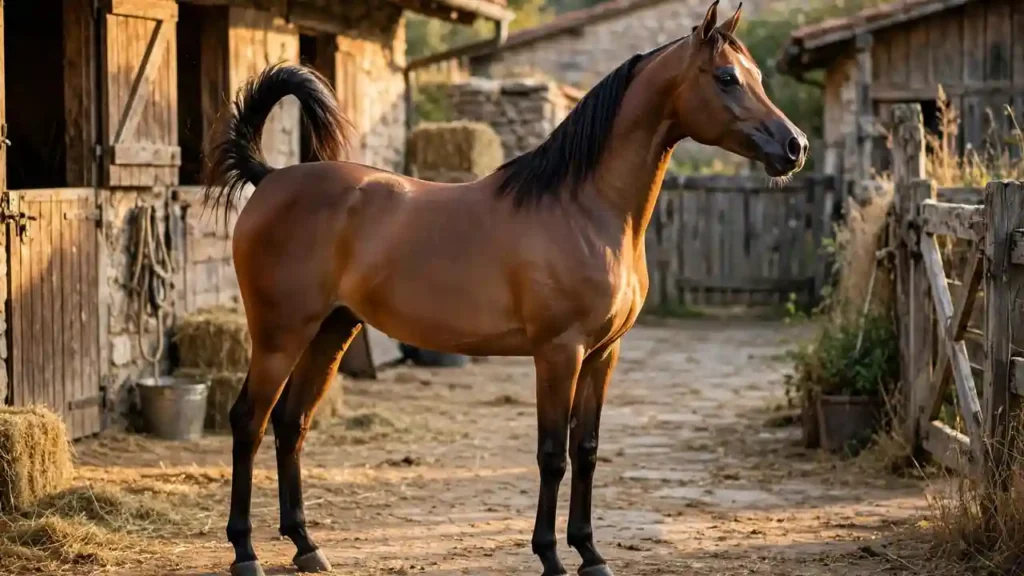
Many new riders love the Arabian face, then find the horse reads every small move they make. A nervous hand, a tight rein, or a sudden shift in weight can turn into a quick sidestep or a spin, and that can shake a beginner fast.
- Keep your hands still on a loose rein
- Ride with a calm instructor on a quiet horse first
- Ask how the horse reacts to new places
An Arabian can be a loyal partner for a rider who stays steady and clear, and a hard lesson for a rider who is still learning to stay still.
💡 Quick Tip
Watch the horse on the ground first. A calm walk, a soft eye, and a steady halt tell you more than a photo of a floating trot.
3. Quarter Horse: A Calm Work Horse That Stops, Turns, And Sprints In Short Bursts
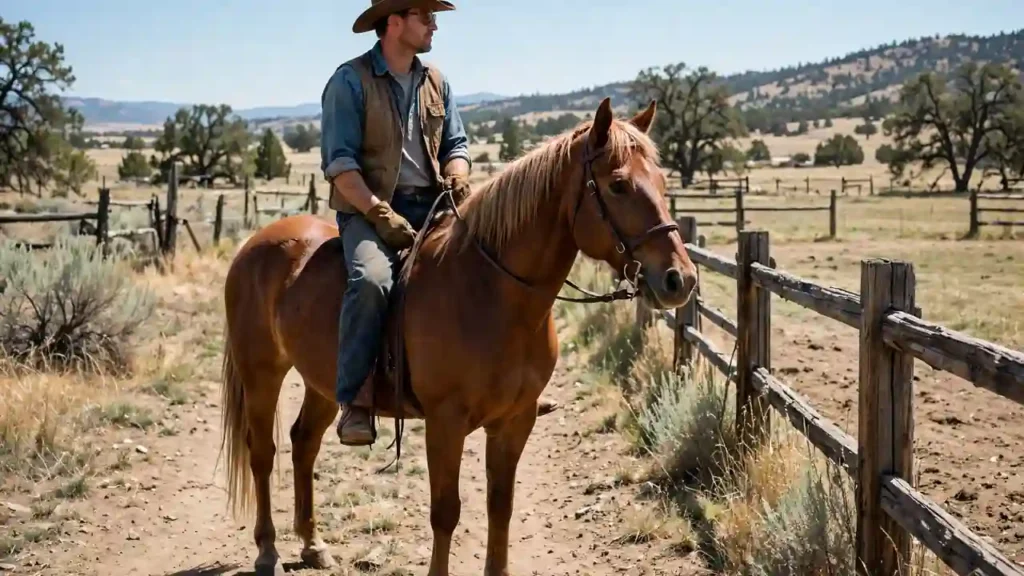
A Quarter Horse gives a new rider room to learn without constant surprises. The breed is known for a steady mind, a strong stop, and a short sprint, and those traits help on trails, in a yard, and in a first lesson.
- Trail riding on quiet routes
- Ranch work and cattle work in small yards
- First lessons for nervous riders
That steady nature is why so many first horses are Quarter Horses, and why trainers often keep one for nervous riders.
4. Thoroughbred: A Retired Racehorse That Needs A Slow Second Career
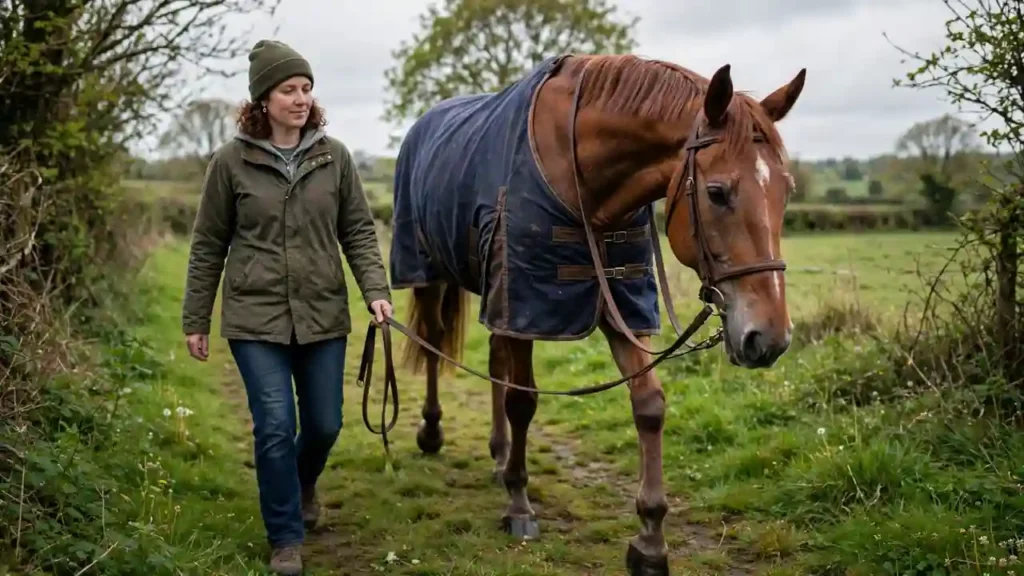
People often think a retired racehorse is ready for slow hacks the week after the track. The truth is slower. A Thoroughbred has spent years learning speed, and it needs time to learn walk, halt, and stand, plus new feed, new turnout, and a new routine.
- Start with walk work in a quiet arena
- Use turnout in small groups first
- Change feed in small steps, not all at once
Rush that change and you get a tense horse and a tired rider, so plan months, not weeks, for the switch.
| Track life | Retired life |
|---|---|
| Speed work and race routine | Walk work and slow hacking |
| High energy feed | Steady feed for light work |
5. Andalusian: A Baroque Horse With A Thick Neck And Collected Movement
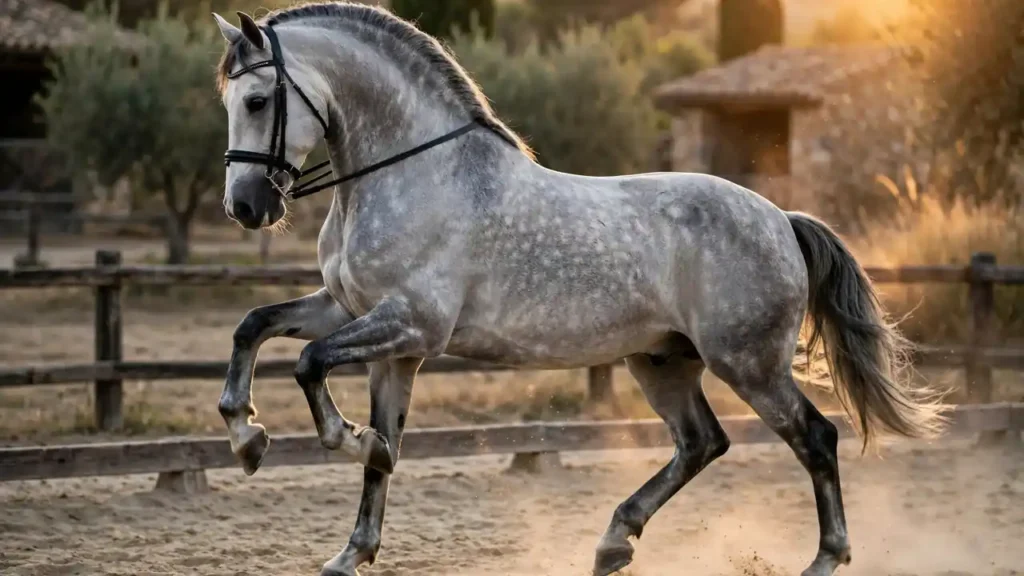
Rule to keep in mind: an Andalusian looks collected because it is built to collect, not because it was forced into shape. The thick neck, the strong hindquarters, and the high knee action give the horse a proud outline, even at rest.
- Look at the neck set and shoulder
- Check hindquarter strength at walk
- Watch movement at walk before you ask for trot
That build suits a rider who likes dressage or classical work, and it can feel strong for a rider who wants a quiet plod.
An Andalusian collects naturally, so the rider job is to stay balanced and let the horse do the work.
6. Gypsy Vanner: A Small Draft Horse With Heavy Feathering And A Gentle Manner
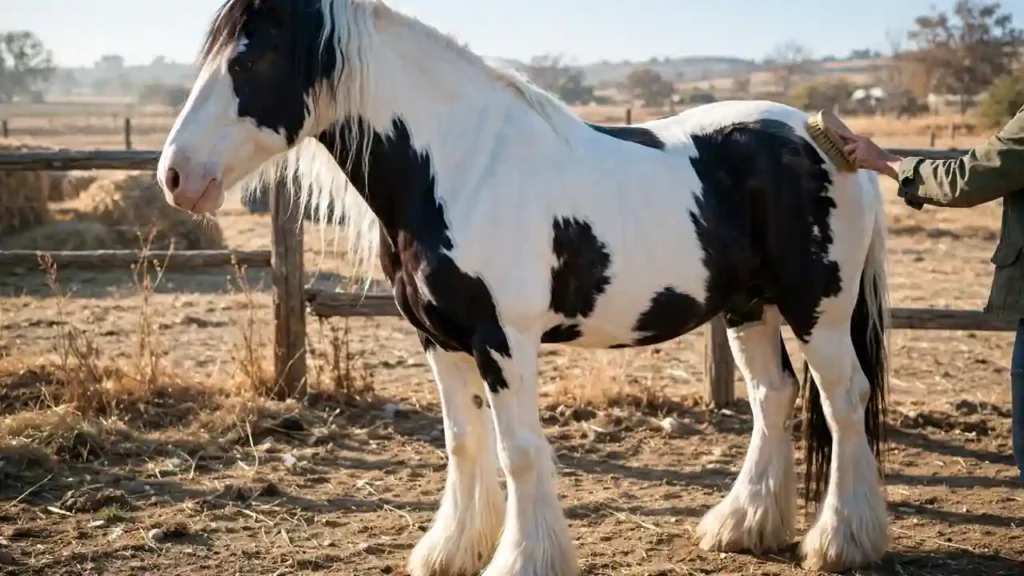
Feathered legs look soft in photos, and they hide a lot of work in real life. Mud, damp bedding, and missed checks can lead to sore skin under all that hair, so a Gypsy Vanner owner needs a simple routine and a sharp eye.
- Brush feathering out on dry days, not wet days
- Check skin under the feather once a week
- Keep bedding dry and clean in wet weather
Buyers who love the look and accept the grooming often find a calm, kind horse. Buyers who want low care often move on to a shorter coated breed.
☐ Skin checked for sores or cuts
☐ Feet picked out and checked
☐ Bedding dry and clean
7. Appaloosa: A Spotted Coat That Comes In Patterns, Not One Single Look
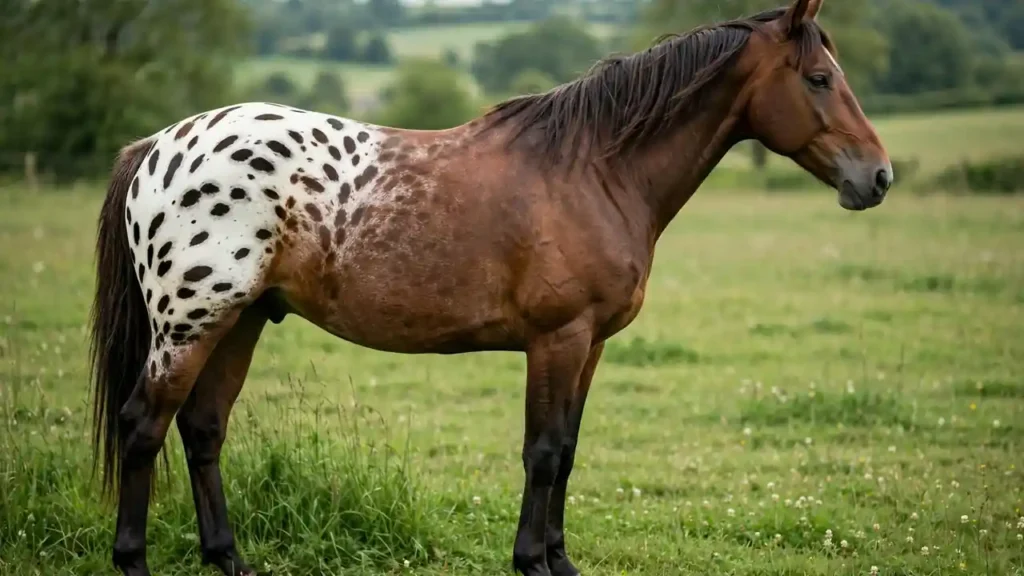
An Appaloosa coat can fool a buyer. Spots alone do not tell you if a horse is an Appaloosa, or if it will suit your riding, because the pattern varies from a few spots on the hindquarters to a full blanket pattern over the body.
Do this: look at the whole horse, ask about breed papers, and check eye and skin traits with the seller.
Skip this: judging the horse by spots alone, or paying more for a pattern that may change with age.
That wider check keeps you focused on movement and temperament, and it stops a pretty coat from hiding a poor fit.
Check pattern, papers, movement, and temperament together before you decide.
Do not pay for spots alone, and do not assume spots mean a calm horse.
8. Paint Horse: A Stock Horse Pattern That Is Different From A Pinto Pattern
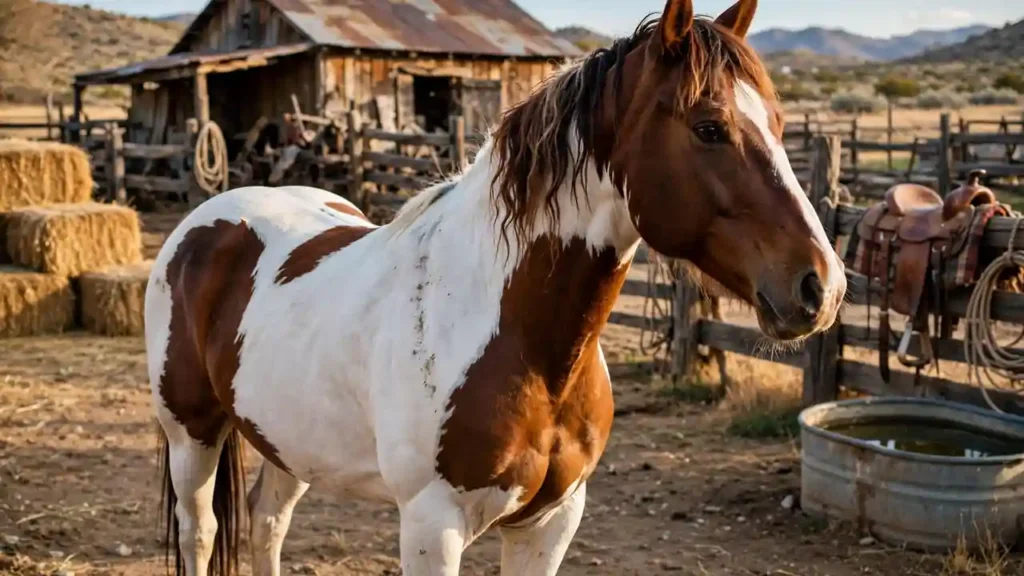
The mix up is common, and it is easy to clear up once you know the test. A Paint Horse is a stock horse breed with a spotted coat, while a Pinto is a color pattern that can appear on many breeds, so the same coat can mean two different things.
- Look for stock horse build and papers first
- Check if the horse is registered as a Paint Horse
- Use the coat as a clue, not as proof
That three step check saves awkward chats with sellers, and it helps you search for the right breed, not just the right color.
Check build and papers, then look at the coat
Ask the seller for registration details in writing
Match the horse to your riding, not just to a photo
9. Morgan: A Compact American Horse That Does A Little Of Everything
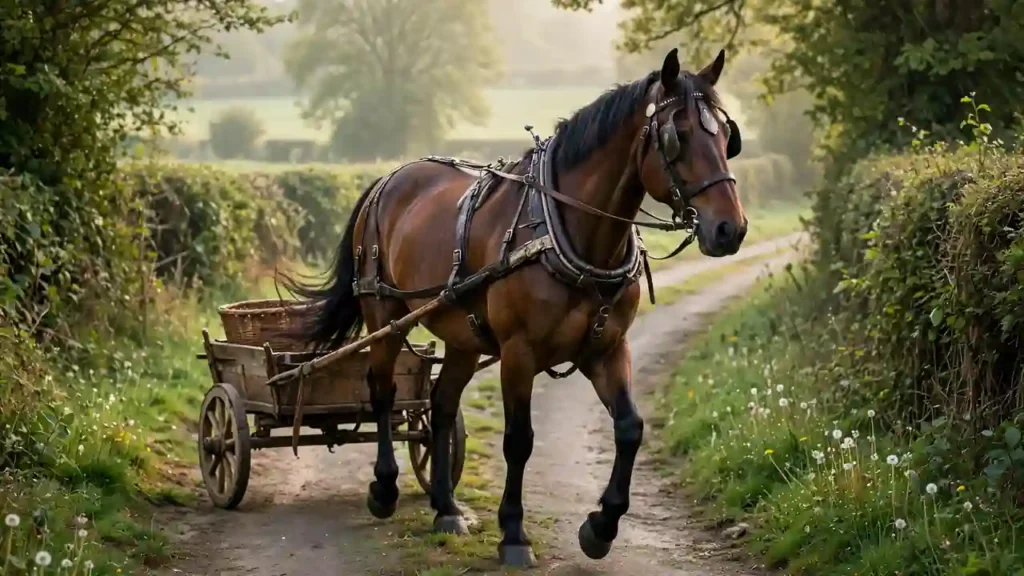
A Morgan does not win on one trick. It wins on range. The same horse can hack out in the morning, work in a yard at noon, and pull a small cart in the evening, and it tends to stay willing through all three, if the rider stays clear and fair.
- Riding on trails and in lessons
- Light driving work
- Yard work and small farm jobs
That range makes a Morgan a good pick for a small yard with one horse and many jobs, and a poor pick for a rider who wants one narrow sport at top level.
10. Haflinger: A Chestnut Horse With A Flaxen Mane And A Small Sturdy Build
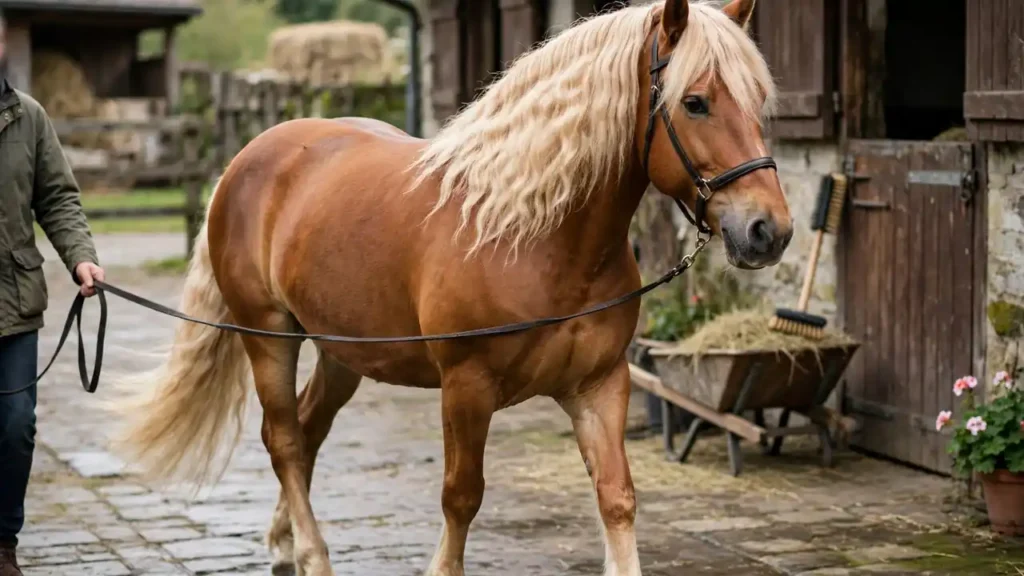
In a sale photo, a Haflinger can look like a large pony with a pretty mane, and that first impression misses the point. The breed is sturdy, strong for its size, and often keen to work, so it suits a rider who wants a small horse with a big work ethic.
- Look for a short, strong back and a deep chest
- Check that the mane is flaxen, not dyed or bleached
- Ask about work history, not just age and height
A Haflinger that is fit and used to work will settle faster in a new yard than one that has stood in a field for months.
💡 Quick Tip
Ask to see the horse walk and trot in hand first. A short back and a free walk tell you more than a posed photo.
11. Clydesdale: A Tall Draft Horse With Feathered Legs And A Steady Walk
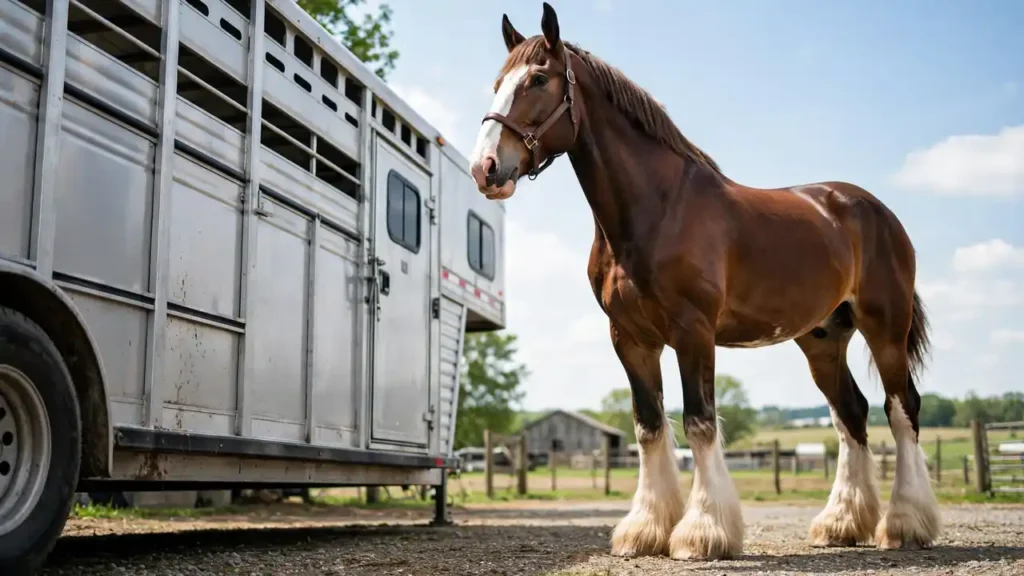
A Clydesdale looks like a gentle giant, and on the ground it often is. Under saddle, the size changes the job. You need a larger saddle, a taller mounting block, a bigger trailer, and a feed bill that fits a large horse, so the cost of size comes before the cost of training.
- Check trailer size and door height before you buy
- Plan for a larger saddle and longer girth
- Ask about feed and farrier costs for a large horse
Riders who plan for size enjoy the steady walk and calm manner. Riders who miss it end up with a horse that does not fit their kit.
12. Icelandic Horse: A Small Sturdy Horse With Two Extra Gaits
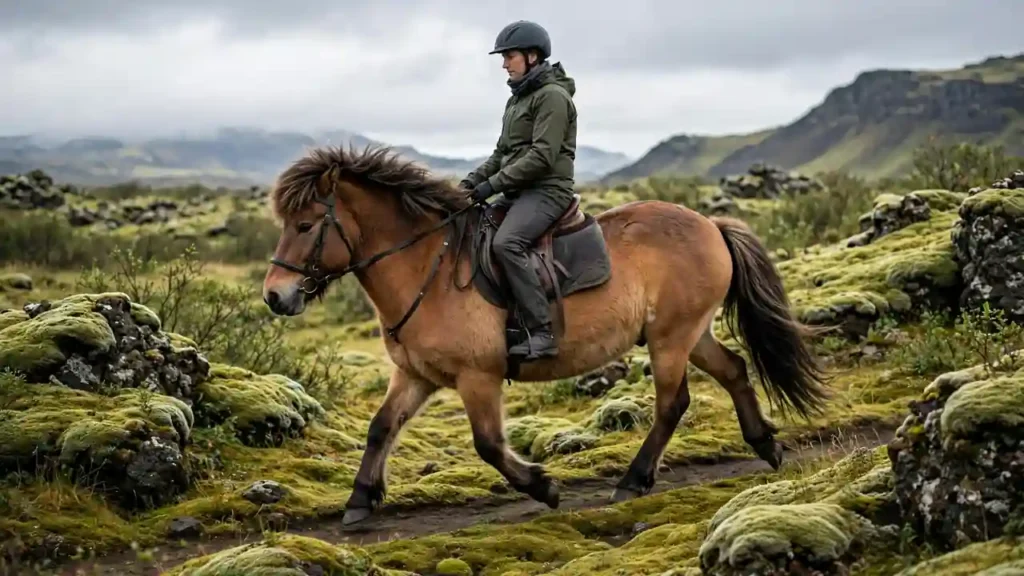
Most horses walk, trot, and canter. An Icelandic Horse can do two more gaits, the tolt and the pace, and the tolt is the one most riders notice first, because it feels smooth at speed and it lets a rider cover ground without bouncing in the saddle.
- Walk, trot, and canter, like other breeds
- Tolt, a smooth four beat gait
- Pace, a fast two beat gait for experienced riders
That smooth gait makes the Icelandic a good pick for long trail rides, and a poor pick for a rider who only wants standard dressage gaits.
| Gait | How it feels |
|---|---|
| Walk, trot, canter | Standard gaits, like other breeds |
| Tolt | Smooth and steady at speed |
| Pace | Fast, for experienced riders only |
13. Mustang: A Free Roaming Horse That Learns Trust In Small Steps
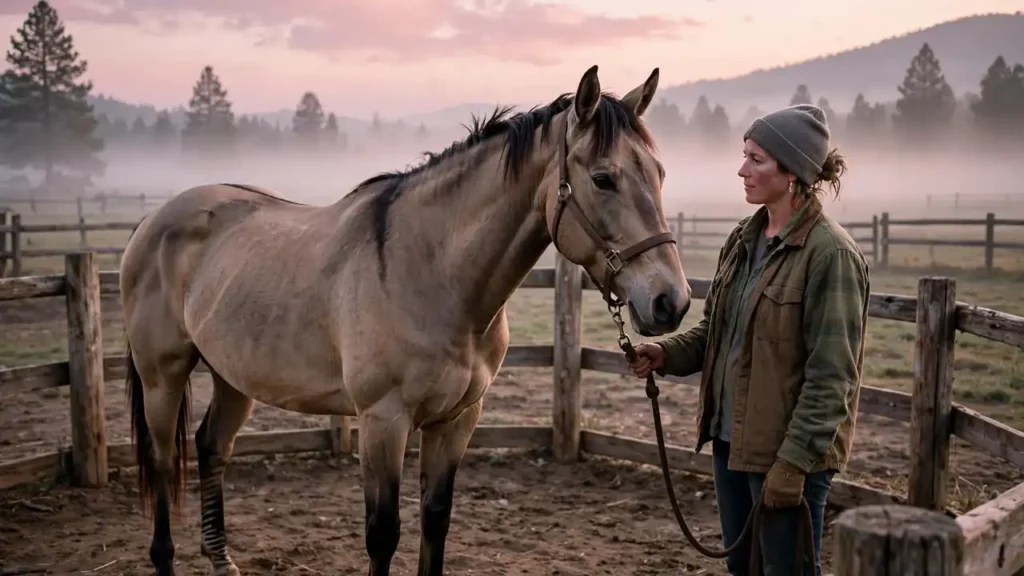
A Mustang does not start as a ready made riding horse. It starts as a horse that has learned to watch, move away, and survive, so trust has to be built in small steps, with short sessions, clear cues, and a lot of standing still.
- Keep sessions short and calm
- Use the same routine each day
- Reward a small step, not just a big result
Owners who accept that pace often end up with a tough, loyal horse. Owners who rush it often end up with a horse that shuts down or runs from pressure.
With a Mustang, a quiet halt is progress, and progress is built one calm session at a time.
14. Akhal-Teke: A Lean Horse With A Metallic Sheen On Its Coat
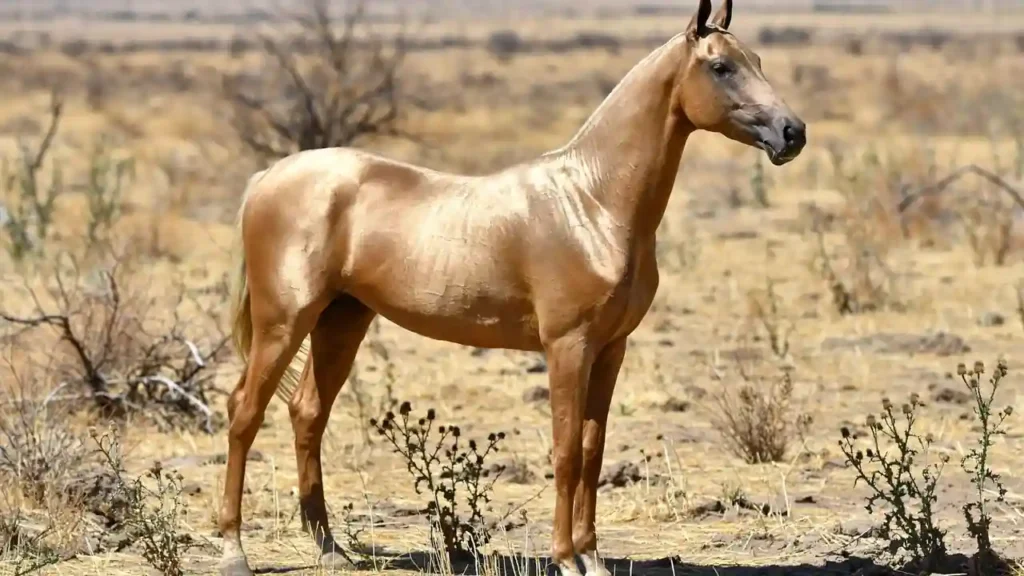
The Akhal-Teke coat catches light in a way that looks like metal, and that shine can distract from the real question, which is whether a lean, hot blooded horse suits your riding. The breed is built for heat, distance, and speed, and it tends to stay sharp and sensitive under saddle.
- Check coat shine in daylight, not under stable lights
- Look at build: lean, long, and light boned
- Ask how the horse copes with heat and long work
That build suits a rider who wants endurance and a sensitive ride, and it can feel too sharp for a rider who wants a quiet hack.
☐ Build lean and long
☐ Heat and distance history asked
☐ Temperament checked on the ground
15. Lipizzaner: A Horse Born Dark That Turns Grey As It Grows
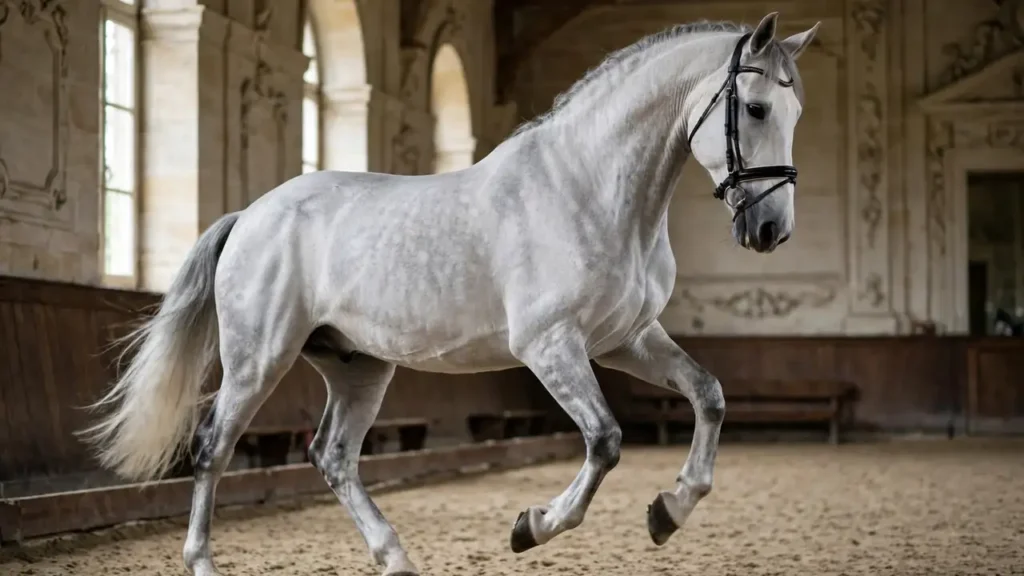
A Lipizzaner foal can confuse a new buyer, because it is born dark and turns grey as it grows, so the white horse in a show photo and the dark foal in a yard photo can be the same breed at different ages.
- Foal coat: dark, often bay or black in tone
- Adult coat: grey, lightening with age
- Movement: collected and balanced, even at walk
That slow color change is a good test for a buyer. If a seller shows only one age, ask to see photos across years, so you know what you are buying.
Use this list as a shortlist, not as a final pick. Visit the breeds that fit your riding, your yard, and your time, watch them move in hand and under saddle, and talk to owners who live with them every day. That slow check will tell you more than any photo, and it will help you choose a horse you can enjoy for years.
Save this list of beautiful horse breeds for the next time you visit a stable, talk to a breeder, or plan your first horse, and keep it close while you compare.